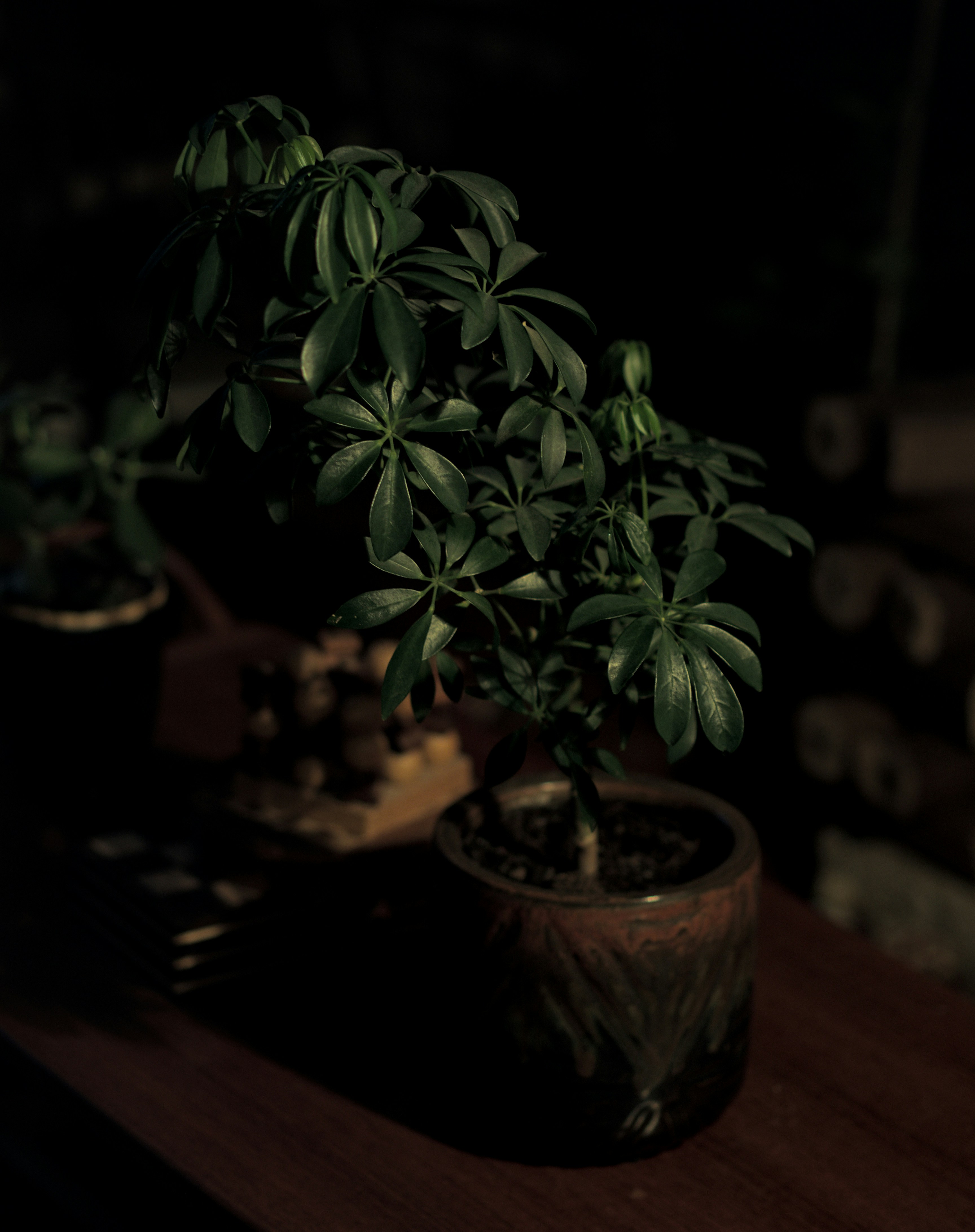
Introduction to Low-Light Indoor Plants
Low-light indoor plants have surged in popularity in recent years, thanks to their ability to thrive in less than ideal lighting conditions. This characteristic makes them particularly appealing to individuals residing in apartments or homes where natural sunlight is limited. Many enthusiasts and novice plant owners alike are turning to low-light indoor plants as a practical solution for greening their living spaces.
One of the most significant benefits of incorporating these resilient plants into home décor is their capability to purify the air. Numerous studies have demonstrated that indoor plants can remove harmful toxins and pollutants from the environment, contributing to an enhanced quality of air. As a result, low-light indoor plants not only beautify a space but also promote a healthier indoor atmosphere.
Additionally, low-light indoor plants are known for their aesthetic appeal. Their lush green foliage or unique textures can transform ordinary rooms into inviting and tranquil environments. From the subtle beauty of Peace Lilies to the striking appearance of Snake Plants, these plants can suit various design styles, complementing contemporary, rustic, or traditional interiors.
Furthermore, low-light indoor plants require minimal maintenance. Most of these species are drought-tolerant and do not demand frequent watering or complex care routines, making them ideal for busy individuals or those lacking a green thumb. This ease of care makes it easier for people to enjoy the benefits of houseplants without feeling overwhelmed by upkeep.
In essence, low-light indoor plants provide an accessible way to beautify spaces while improving air quality and supporting wellbeing. As we delve deeper into the world of these resilient florals, we will discover the best options that can effortlessly thrive in low-light conditions.
Benefits of Low-Light Plants
Incorporating low-light indoor plants into your living space comes with a myriad of advantages that can enhance both your environment and well-being. Firstly, one of the most significant benefits is their ability to purify the air. Many low-light plants, such as snake plants and peace lilies, are known for their air-filtering properties, effectively removing toxins and pollutants. This can lead to a healthier indoor atmosphere, which is particularly important in urban settings or offices where ventilation may be limited.
Moreover, the presence of plants in indoor spaces has been linked to improved mental health. Studies have shown that houseplants can reduce stress, increase feelings of calmness, and boost overall mood. The simple act of caring for a plant can provide a sense of accomplishment and responsibility, fostering emotional well-being. In particular, low-light plants can thrive even in less-than-ideal lighting conditions, making them accessible to those who may not have a green thumb. This adaptability further underscores their appeal, as they require minimal maintenance while still offering aesthetic and emotional benefits.
Additionally, low-light plants are particularly well-suited for various environments, including apartments and office spaces where natural sunlight is scarce. Their resilience allows them to flourish in corners or rooms that receive little light, making them an ideal choice for city dwellers or individuals in shared workspaces. By strategically placing these plants throughout your home or office, you can create an inviting atmosphere that promotes productivity and relaxation simultaneously.
Overall, incorporating low-light plants into your living or workspace can lead to multiple benefits that enhance both air quality and mental well-being. Their suitability for diverse environments further solidifies their status as an essential component of modern indoor gardening.
Factors to Consider When Choosing Low-Light Plants
Selecting the right low-light indoor plants is an essential consideration for both novice and experienced plant enthusiasts. The first factor to evaluate is the size of the plant. Depending on your space, you may prefer compact varieties that fit well on shelves or larger specimens that can serve as focal points in a room. Understanding the dimensions of your available space will help narrow down your options effectively.
Another important aspect to consider is the growth rate of the plant. Some low-light plants grow slowly, while others may require more frequent repotting and maintenance. If you prefer a low-maintenance plant, it may be beneficial to focus on those known for their slower growth. This aspect can greatly influence your overall satisfaction, especially if time and commitment are limited.
Moreover, you should assess the care requirements of the plants in question. While low-light plants are generally less demanding than their bright-light counterparts, they still have specific needs in terms of watering, humidity, and soil type. Researching the care required for each plant will ensure you choose a species that aligns with your lifestyle and ability to provide appropriate care.
Finally, compatibility with your living conditions is crucial when selecting low-light plants. Consider factors such as temperature fluctuations, humidity levels, and proximity to heating or cooling vents. A plant that thrives in a stable environment may struggle in a home with significant shifts in conditions. Therefore, taking these factors into account will foster a better plant-growing experience and increase the likelihood of success.
Top 15 Low-Light Indoor Plants
Indoor plants are a wonderful way to add beauty and freshness to your home, especially when they thrive in low-light conditions. Here, we introduce you to 15 low-light indoor plants that are not only hardy but also require minimal maintenance.
1. Snake Plant (Sansevieria): Known for its upright, sword-like leaves, the snake plant can grow up to 3 to 4 feet tall. It prefers infrequent watering and can survive in various light conditions.
2. ZZ Plant (Zamioculcas zamiifolia): This plant has glossy, dark green leaves and can grow between 2 and 3 feet tall. The ZZ plant is drought-tolerant and only needs watering every few weeks.
3. Pothos (Epipremnum aureum): Pothos is a versatile trailing plant that can grow in a variety of conditions. Its heart-shaped leaves can be green or variegated, growing up to 10 feet in length.
4. Peace Lily (Spathiphyllum): This plant features stunning white blooms and lush green leaves. It typically reaches a height of 2 to 4 feet and prefers consistent moisture in low light.
5. Cast Iron Plant (Aspidistra elatior): The cast iron plant is highly resilient, thriving on neglect. It can reach about 2 feet tall and is excellent for low-light areas.
6. Spider Plant (Chlorophytum comosum): Renowned for its arching leaves and baby plantlets, the spider plant grows about 1 to 2 feet tall and prefers occasional watering.
7. Dracaena (Dracaena spp.): Dracaena varieties, such as the Dracaena marginata, can grow up to 6 feet tall. They are drought-tolerant and thrive in indirect light.
8. Chinese Evergreen (Aglaonema): Known for its striking foliage, Chinese evergreens can grow around 1 to 3 feet tall and prefer to be allowed to dry between waterings.
9. Parlor Palm (Chamaedorea elegans): This graceful palm can grow between 3 to 6 feet tall and thrives in low light with infrequent watering.
10. Rubber Plant (Ficus elastica): Featuring large, glossy leaves, the rubber plant can grow up to 8 feet tall. It does well in indirect light and requires moderate watering.
11. Boston Fern (Nephrolepis exaltata): This lush plant grows 1 to 2 feet tall and thrives in cool, moist conditions with indirect light.
12. Parlor Palm (Chamaedorea elegans): This elegant palm can reach heights of 3 to 6 feet and prefers low light coupled with occasional watering.
13. Philodendron (Philodendron spp.): Available in various forms, philodendrons are hardy and can grow from 1 to 3 feet . They prefer to dry out between waterings.
14. Heartleaf Philodendron (Philodendron hederaceum): This trailing plant has heart-shaped leaves and grows well in low light. It can reach lengths of up to 10 feet and requires minimal care.
15. Nerve Plant (Fittonia): Known for its colorful veined leaves, the nerve plant remains compact at about 6 inches tall. It prefers high humidity and low light conditions.
These low-light indoor plants are not only beautiful but also incredibly forgiving, making them a great choice for both novice and experienced plant enthusiasts alike. Whether you seek a dramatic touch or subtle greenery, any of these options will surely enhance your indoor space.
Care Tips for Low-Light Plants
Nurturing low-light indoor plants successfully requires a keen understanding of their specific needs. These plants thrive in conditions with limited sunlight and, while they might be hardy, proper care is crucial for their development.
Watering is one of the most critical aspects of plant care. For most low-light plants, it is advisable to allow the top inch of soil to dry out before watering again. Overwatering can lead to root rot, which is a common issue with these plants. As a general rule, plants such as snake plants and pothos prefer to sit in slightly drier soil, while peace lilies may require more frequent watering due to their higher moisture demand. Always assess the plant’s needs based on the specific variety and the conditions of your indoor space.
Regarding soil type, a well-draining potting mix is essential for low-light plants. Standard houseplant soil with added perlite or sand can improve drainage, preventing excessive moisture retention. Additionally, consider using pots with drainage holes to ensure excess water can escape, further enhancing the plant’s health.
Fertilizing habits should also be adjusted for low-light indoor plants. Typically, these plants need less fertilizer compared to their brighter-light counterparts. During the growing season, a diluted liquid fertilizer can be applied every 4 to 6 weeks, while the frequency can be reduced in the dormant winter months.
Finally, be vigilant about potential pests such as spider mites and aphids. Keeping an eye out for any unusual spots or webbing on leaves can help catch infestations early. Regular cleaning of leaves and introducing natural pest deterrents, like neem oil, can ensure your low-light plants remain healthy and thriving.
Common Myths About Low-Light Plants
The popularity of low-light indoor plants has led to the emergence of several misconceptions regarding their care and growth. One prevalent myth suggests that these plants can thrive in complete darkness. In reality, while low-light plants require less light than their counterparts, they still need some natural or artificial light to survive. For instance, plants such as the snake plant and pothos can adapt to low-light conditions but will benefit from indirect sunlight.
Another myth is that low-light plants grow slowly and will not reach their full potential in dim environments. Many low-light species exhibit normal growth rates under suitable conditions. The growth of these plants is influenced by factors like humidity, temperature, and nutrient availability, not solely by light levels. Thus, with proper care, these plants can flourish and even bloom eventually.
Additionally, some believe that low-light plants require minimal care compared to those requiring brighter light. While it is true that many indoor plants categorized as low-light have lower maintenance needs than high-light plants, they still require proper watering, occasional fertilization, and monitoring for pests. Neglecting these care aspects can lead to health issues, even in hardier low-light species.
Finally, a common misconception exists that all indoor plants labeled as low-light are equally resilient. Different species, even within the same category, have varying tolerances and requirements. Therefore, it is crucial to research individual plants to understand their specific needs, ensuring better care and fostering healthy growth.
Creative Ways to Display Low-Light Plants
Incorporating low-light indoor plants into your home decor can enhance the aesthetic appeal of any space while improving air quality. Creative display methods not only showcase these resilient plants but also harmonize with your interior design. Here are some innovative ideas for beautifully displaying your low-light plants.
One traditional yet effective method is using decorative pots. Select pots that complement your furniture and color palette. Ceramic, terracotta, or matte finish pots can add elegance to small spaces. Grouping multiple pots at varying heights can create visual interest and serve as a focal point. Consider using stand bars or plant risers to arrange them in clusters.
For a modern twist, hanging displays provide a unique way to incorporate plants into your decor. Macramé hangers, wall-mounted planters, or terrariums can transform empty wall space into a lush green display. Choose low-light plants like pothos or spider plants that cascade beautifully, adding dimension and vibrancy to your walls.
Additionally, consider using furniture to display plants creatively. Bookshelves can become mini indoor jungles by incorporating small potted plants among your favorite books and knickknacks. Use corner shelves or tiered plant stands to maximize space while showcasing each plant’s unique character.
Another innovative approach is repurposing items into plant holders. Vintage tea sets, wooden crates, or old ladders can make fantastic display units for your low-light favorites. This approach not only adds a touch of personality but also showcases your creativity in home decor.
Whichever method you choose, the key is to find a balance between aesthetics and the needs of your low-light plants. Proper placement ensures that they receive adequate indirect light and air circulation while enhancing your indoor environment.
Environmental Impact of Indoor Plants
Indoor plants serve as a crucial component in enhancing the environmental quality within our homes. One of the most significant advantages of incorporating these green elements is their ability to improve indoor air quality. Plants such as the Snake Plant and Peace Lily absorb carbon dioxide and release oxygen through the process of photosynthesis, thereby increasing the oxygen levels in enclosed spaces. Moreover, many indoor plants can absorb common indoor pollutants, such as formaldehyde, benzene, and trichloroethylene, making them an effective solution for purifying the air.
Additionally, the presence of indoor plants has been linked to the reduction of stress levels and an overall improvement in mental well-being. Research indicates that interacting with plants can lower cortisol levels, which is a hormone associated with stress. The calming effect that greenery provides enhances focus and productivity, allowing individuals to work in a more serene and inviting environment. As a result, workers in environments including offices and workspaces with adequate indoor plants report higher job satisfaction and lower stress levels.
The aesthetic appeal of indoor plants also contributes positively to one’s overall living environment. By adding color and life to otherwise sterile or monotonous indoor spaces, plants foster a sense of warmth and connectedness with nature. This biophilic connection can lead to increased happiness and contentment within the home, as greenery is often associated with growth and vitality.
In conclusion, the environmental benefits of indoor plants extend beyond mere decoration. They purify air quality, mitigate stress, and enhance overall well-being, making them an invaluable addition to any indoor environment. By incorporating a variety of low-light indoor plants, individuals can effortlessly create a healthier, more harmonious living space.
Conclusion and Encouragement to Explore Indoor Gardening
Indoor gardening represents a fulfilling way to enhance living spaces while promoting mental wellbeing. The 15 low-light indoor plants that we’ve discussed throughout this post are well-suited for individuals who may be apprehensive about keeping plants alive. These hardy species have proven to be resilient, making them ideal choices for both seasoned gardeners and newcomers alike. With options such as the Zamioculcas zamiifolia and the Sansevieria trifasciata, anyone can cultivate a green habitat, even in areas with limited natural light.
By choosing low-light indoor plants, you can create an inviting atmosphere that not only beautifies your environment but also contributes to improved air quality and overall well-being. The plants highlighted in this post require minimal maintenance, which allows you the freedom to enjoy the benefits of indoor gardening without the stress associated with high-maintenance species. This simplicity will empower you, fostering a sense of accomplishment as you nurture your plants and watch them thrive.
As you embark on your indoor gardening journey, remember that it is a learning experience. Mistakes may happen; however, they often lead to valuable insights into plant care. Each green companion will teach you more about your unique indoor environment and its specific requirements. This evolving relationship with your plants will build your confidence and skills over time.
We encourage you to explore this rewarding hobby by starting with the low-light plants mentioned. Embrace the joyful process of caring for these resilient species, and let them inspire you to expand your indoor garden further. Ultimately, your indoor gardening adventure is only limited by your imagination, and with these robust low-light options, you are well on your way to creating a thriving green sanctuary inside your home.