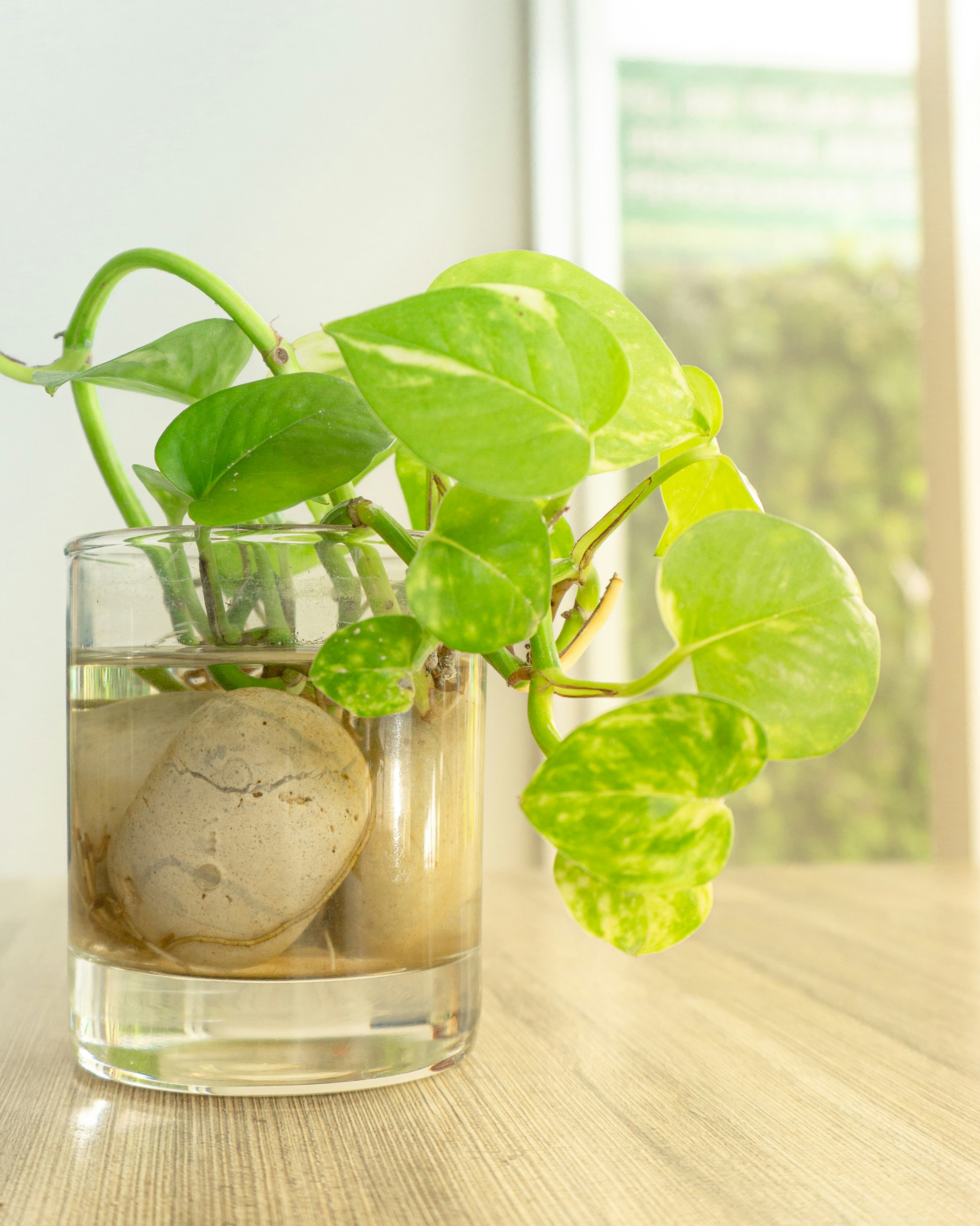
Introduction to Pothos
The Pothos plant, scientifically known as Epipremnum aureum, is widely regarded as one of the most popular houseplants due to its hardiness and adaptability. This vining plant thrives in a range of indoor environments, making it a favored choice among both novice and experienced plant enthusiasts. One of the key characteristics that contribute to the popularity of the Pothos is its unique leaf structure, which comes in a variety of shapes and sizes, showcasing shades of green, cream, and yellow. These stunning foliage options allow homeowners to choose varieties that complement their interior aesthetics seamlessly.
Another notable feature of the Pothos plant is its low light tolerance. It can flourish in diverse lighting conditions, from bright, indirect sunlight to dimly lit rooms, which makes it particularly suitable for a wide array of indoor settings. This adaptability not only makes Pothos an appealing option for individuals lacking ample natural light but also reinforces its reputation as an ideal houseplant for beginners.
The resilient nature of the Pothos extends to its watering needs as well. It is forgiving of irregular watering schedules, allowing a window of time between watering sessions without adverse effects on the plant’s health. This trait is particularly advantageous for individuals who may occasionally forget to tend to their plants. In addition, Pothos is known for its air-purifying qualities, making it a functional addition to living spaces.
With its striking appearance, hardy characteristics, and minimal care requirements, the Pothos plant sets a solid foundation for discussions surrounding plant care tips, solidifying its reputation as the easiest houseplant to maintain.
Understanding Pothos Varieties
Pothos plants, known scientifically as Epipremnum aureum, are among the most popular houseplants due to their hardiness and minimal care requirements. This category of plants includes several striking varieties, each with unique visual characteristics and slight differences in care. The three most prominent types are the Golden Pothos, Marble Queen, and Neon Pothos.
The Golden Pothos features vibrant green leaves splashed with golden-yellow variegation. This coloration is most pronounced in bright light, although the plant will tolerate lower light conditions as well. Growth habits for the Golden Pothos are typically vigorous, making it an excellent choice for hanging baskets or as a trailing vine. It requires moderate watering and can thrive in a wide range of soil types.
Marble Queen Pothos is equally stunning, showcasing rich green leaves interspersed with creamy white marbling. This striking variegation not only enhances its visual appeal but also influences its light requirements. Marble Queen thrives in bright, indirect light to maintain its variegation; in low light, it may lose some of its characteristic patterns. While it shares general care requirements with other Pothos varieties, it is more sensitive to overwatering, so monitoring soil moisture is crucial.
Lastly, the Neon Pothos is lauded for its bright, lime-green foliage that adds a lively touch to any indoor space. Its leaves are solid in color, lacking the variegation found in other varieties, which makes it stand out uniquely. While it is adaptable and capable of thriving in various environments, the Neon Pothos prefers moderate light and regular watering to promote healthy growth. Overall, all Pothos varieties are resilient, making them an ideal choice for both novice and experienced plant enthusiasts.
Ideal Growing Conditions
The Pothos plant, scientifically known as Epipremnum aureum, is renowned for its incredible adaptability, making it one of the easiest houseplants to care for. This plant flourishes in a wide range of lighting conditions, although it particularly thrives in bright, indirect sunlight. Direct sunlight can scorched its leaves, resulting in an unsightly appearance. However, Pothos plants can also do well in low-light environments, which makes them perfect for darker corners of your home, without showing significant signs of distress.
Temperature is another critical aspect of Pothos care. This hardy plant prefers temperatures between 65°F to 85°F (18°C to 29°C). While Pothos can tolerate slightly lower temperatures, consistently exposing it to cold drafts or temperatures below 50°F (10°C) can hamper its growth. Maintaining a stable, warm environment is essential for optimal health and growth.
Humidity is yet another factor to consider when cultivating a Pothos plant. This tropical vine thrives in higher humidity levels; however, it is quite adaptable and can withstand average indoor humidity, which typically ranges from 30% to 50%. To enhance the humidity around the plant, occasional misting or placing it on a humidity tray can be beneficial, especially during dry winter months. In essence, Pothos can comfortably adjust to various conditions, making it an excellent choice for different home environments.
Moreover, the indisputable resilience of the Pothos plant simplifies its care for novice gardeners, as this plant’s versatile nature allows it to flourish in various settings, from well-lit living rooms to shadowy office environments.
Watering and Fertilizing Basics
The Pothos plant, known for its hardiness and adaptability, has relatively simple watering needs that can be managed easily by most plant enthusiasts. Generally, it is best to water your Pothos when the top inch of the soil feels dry to the touch. This typically translates to watering every 1-2 weeks, though the frequency may vary depending on environmental factors such as humidity and temperature. Proper drainage is crucial, as Pothos plants are susceptible to both overwatering and underwatering.
Signs of overwatering can include yellowing leaves, wilting, and root rot, which can be detrimental to the plant’s health. If you notice these signs, it is advisable to allow the soil to dry out before the next watering session and to check the drainage of the pot. Conversely, underwatering can manifest through brown tips on the leaves and dry, crispy foliage. In such cases, increasing watering frequency and ensuring consistent moisture is recommended.
When it comes to fertilization, Pothos plants are forgiving and do not require heavy feeding. During the growing season, which typically lasts from spring to summer, using a balanced liquid fertilizer every 4-6 weeks can support optimal growth and vibrant foliage. Many enthusiasts recommend a water-soluble fertilizer, as it dissolves easily and allows for even distribution within the soil. In the fall and winter months, when growth slows, reducing or halting fertilization can benefit the plant by preventing nutrient build-up. This simple approach to watering and fertilizing makes the Pothos not just a popular choice among houseplants but also one of the most manageable for novice gardeners.
Propagation of Pothos
Propagation of the Pothos plant is one of its most commendable features, appealing to both novice and experienced gardeners alike. There are two prevalent methods for propagating Pothos: using water or soil. Both methods are relatively simple and provide successful results when the correct techniques are applied.
To propagate Pothos in water, one should start by choosing a healthy vine. The best practice is to select a stem with at least 4-6 inches in length, ensuring it has several leaves. It is crucial to make the cut just below a node, the small bump from which roots and leaves grow. After cutting, place the vine in a glass or jar of clean water, ensuring that the node is submerged, as this is where the roots will emerge. Change the water every two weeks to keep it fresh, and within a few weeks, roots should begin to develop, making it ready for planting.
Alternatively, propagating Pothos in soil involves a similar preparation. After selecting a healthy cutting of about 4-6 inches, the stem should again be cut below a node. This cutting can be planted directly into a pot filled with a potting mix. Ensure that the node is well-buried in the soil to facilitate rooting. Water the soil thoroughly, but be cautious not to overwater, which can lead to root rot.
The optimal placement for both propagation methods is in a warm, bright area but away from direct sunlight. Keeping the humidity levels high can also promote faster rooting. Regularly checking the cuttings for growth is essential, as it allows you to witness the progress and modify care as needed. Whether choosing water or soil propagation, the ease of rooting Pothos cuttings makes it a rewarding experience for any plant enthusiast.
Common Problems and Solutions
The Pothos plant, known for its resilience and adaptability, is a popular choice for both novice and experienced plant enthusiasts. However, like any houseplant, it can encounter challenges that may affect its health. Understanding these common issues and their solutions can ensure your Pothos thrives in your home.
One frequent problem Pothos owners may encounter is yellowing leaves. This can be attributed to several factors, including overwatering, poor drainage, or insufficient light. If leaves start to turn yellow, first assess your watering schedule; a general guideline is to allow the top two inches of soil to dry out between watering. Ensure that the pot has adequate drainage holes. Moreover, if your Pothos is not receiving enough light, consider repositioning it to a brighter area, as Pothos thrives under indirect sunlight.
Pest infestations are another concern for Pothos plants. Common pests such as spider mites, aphids, and mealybugs can cause significant damage. Regularly inspecting your plant will help detect any unwanted guests early on. If you discover pests, treat the affected leaves with insecticidal soap or neem oil to eliminate them. Additionally, maintaining proper humidity levels can deter pest infestations, as many pests thrive in dry conditions.
Leggy growth is a typical issue for Pothos, often resulting from insufficient light. If your plant is stretching towards a light source and becoming leggy, it may need more sunlight. To encourage fuller growth, regularly rotate your plant, ensuring all sides receive even light. Pruning back the long stems can also stimulate bushier growth while removing any unhealthy leaves enhances the overall appearance.
By being proactive and responding to these common issues with appropriate solutions, Pothos owners can enjoy the beauty and benefits of this resilient houseplant for many years.
Pruning and Maintenance Tips
Pruning is an essential practice in the care of the Pothos plant, contributing significantly to its overall health and growth. Regularly trimming the stems not only encourages bushier growth but also helps in maintaining an attractive appearance. When pruning, it’s best to remove any yellowing or dead leaves, focusing particularly on those that detract from the plant’s aesthetic value. It is recommended to use clean, sharp scissors or pruning shears to prevent any damage to the healthy parts of the plant and to minimize the risk of disease transmission.
To shape your Pothos, consider cutting just above a leaf node or a junction where a leaf stem meets the main stem. This encourages the plant to produce new growth from that point, ensuring a fuller and more robust appearance. For plants that have grown long and leggy, cut back longer stems to promote a more compact structure. Additionally, these clippings can be propagated to create even more plants, maximizing the beauty of your indoor green space.
Aside from pruning, regular maintenance is key to keeping your Pothos thriving. Cleaning the leaves periodically helps remove dust and enhances the plant’s ability to photosynthesize effectively. A gentle wipe with a damp cloth can suffice to keep the leaves shiny and healthy. In terms of repotting, Pothos plants generally appreciate being repotted every 1-2 years, particularly when they outgrow their containers. During repotting, ensure that you use a well-draining potting mix to provide adequate aeration and moisture retention, which supports optimal root development.
Decorative Uses for Pothos
Pothos, known for its resilient nature and attractive foliage, serves multiple decorative purposes in both residential and commercial spaces. This versatile houseplant can be easily integrated into various decor styles, making it a favored choice among plant enthusiasts. One of the most popular ways to showcase Pothos is through hanging baskets, which allow the long, trailing vines to cascade elegantly, creating a striking visual display. When positioned near windows or in well-lit areas, Pothos plants add an element of natural beauty that enhances the overall ambiance.
Additionally, Pothos is frequently used on shelves or bookshelves, where the vines can drape down or climb up, providing a lush, green accent that softens hard edges and complements both modern and traditional decor. By placing a Pothos on a shelf, you not only enhance the aesthetic of the space but also benefit from the plant’s air-purifying qualities. The Pothos plant is known to effectively filter airborne toxins, which contributes to improved indoor air quality. Therefore, placing it in an office or living area creates both a visually appealing environment and a healthier one.
Furthermore, Pothos can function as a striking table centerpiece. A well-maintained Pothos with fresh leaves adds a touch of life to any table setting, whether it’s in a living room or a dining area. Choosing decorative pots can further elevate the aesthetic appeal, as they can match or contrast with existing decor. This adaptability and ability to thrive in various lighting conditions make Pothos a perfect solution for anyone looking to enhance their space without demanding extensive care or maintenance.
Conclusion: Why Everyone Should Have a Pothos
The Pothos plant, scientifically known as Epipremnum aureum, stands out as a premier choice for houseplant enthusiasts, particularly beginners. One of the most significant advantages of keeping a Pothos is its low-maintenance nature. This plant requires minimal care yet produces a vibrant display of lush, heart-shaped leaves that can significantly enhance the visual aesthetics of any indoor space. Its forgiving disposition makes it ideal for individuals who may not possess extensive plant care experience.
In addition to its beauty and easy care requirements, the Pothos plant offers air-purifying benefits. According to research by NASA, Pothos can help eliminate harmful toxins from the air, promoting a healthier living environment. This combination of visual appeal and health benefits can make it a valuable addition to any home.
The versatility of Pothos plants further contributes to their popularity. They can thrive in various lighting conditions, including low light, and can be propagated easily, allowing enthusiasts to expand their collection without significant investment. Their adaptability means they can flourish in a variety of settings, whether in a bright living room or a dimly lit office.
Given all these factors, it is evident why everyone should consider adding a Pothos to their home. It serves not only as an ornamental addition but also as a functional one that can improve indoor air quality. Furthermore, with the ease of care and stunning visual display it provides, transitioning to plant care becomes an enjoyable experience rather than a burdensome task. For anyone looking for an unpretentious yet attractive houseplant, Pothos is undoubtedly a top contender.