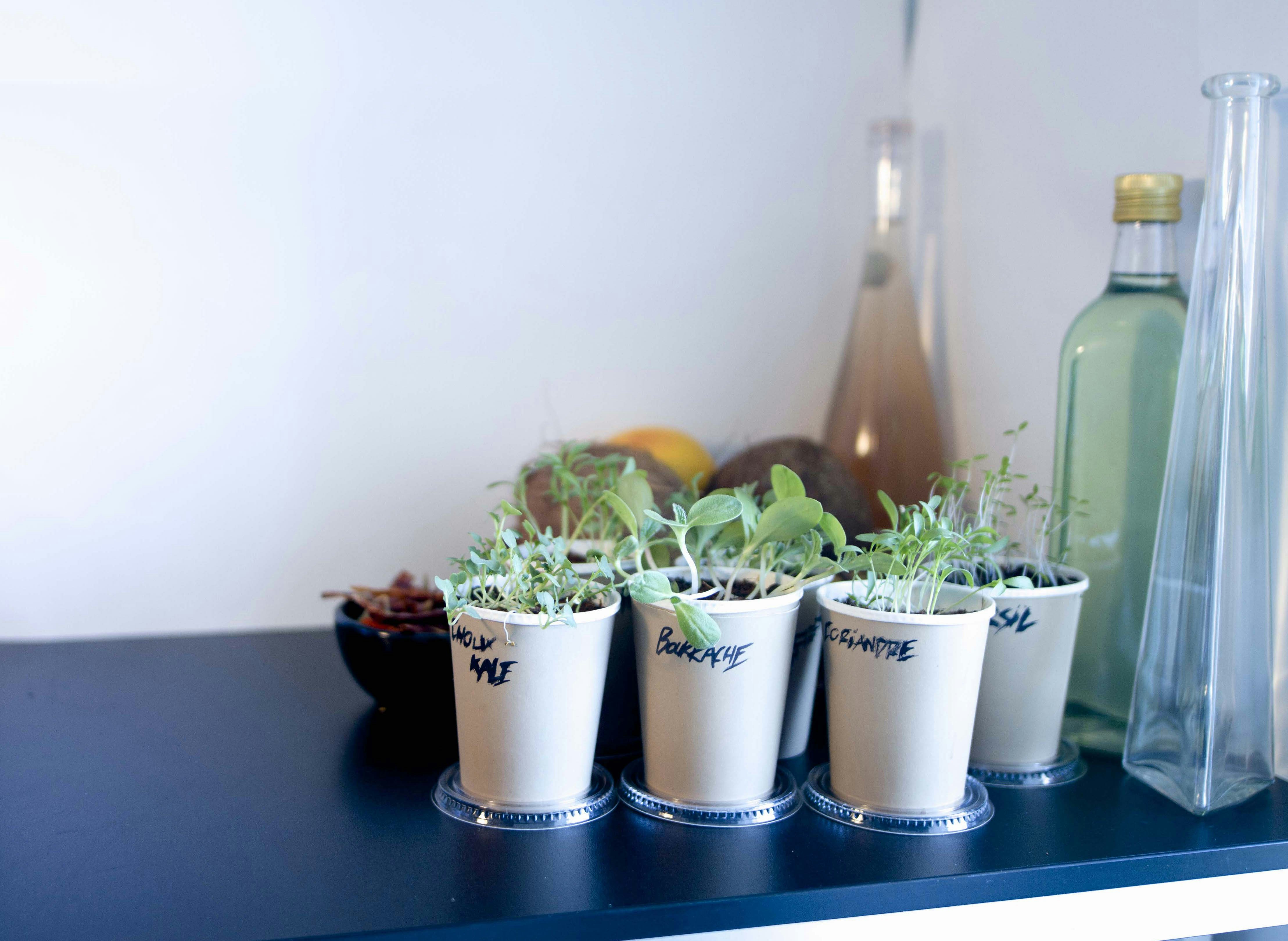
Introduction to Indoor Herb Gardening
Indoor herb gardening has gained significant popularity among gardening enthusiasts and culinary aficionados alike. This approach allows one to grow a variety of herbs within the confines of their home, providing a convenient source of fresh ingredients year-round. Such accessibility is especially appealing for those living in regions with limited outdoor gardening options or for those who simply wish to cultivate their green thumb in a controlled environment.
The benefits of indoor herb gardening are numerous. For starters, it grants individuals the ability to enjoy freshly picked herbs at a moment’s notice, enhancing the flavor and nutritional value of their meals. Herbs such as basil, parsley, and thyme can elevate dishes, offering unique aromas and flavors that dried alternatives cannot replicate. Moreover, the cultivation of herbs indoors can serve as an engaging hobby, providing therapeutic benefits while fostering a connection to nature.
Beyond culinary uses, many herbs have additional applications that cater to a variety of interests. From making herbal teas to crafting natural remedies, the versatility of these plants enriches daily life. Indoor herb gardening also allows for experimentation with various herb varieties, enabling gardeners to explore different tastes and growing techniques in limited spaces.
Furthermore, indoor gardening can contribute to improved air quality, as plants filter the air and potentially uplift one’s mood through the act of caring for them. The aesthetic appeal of lusciously green plants also adds vibrancy to any room, making indoor herb gardens both functional and visually pleasing.
In conclusion, embarking on an indoor herb gardening journey can be a fulfilling experience, ensuring that fresh herbs are always within reach while providing a wealth of benefits to any household.
Choosing the Right Location for Your Indoor Herbs
When it comes to growing herbs indoors, selecting the appropriate location is essential for fostering optimal growth and achieving a sustainable harvest throughout the year. One of the primary factors to consider is sunlight, as most herbs require a minimum of six hours of direct sunlight each day. Therefore, placing your herb pots on a south-facing windowsill is often advisable, as this area receives the most light. If your home does not have sufficient natural light, consider using grow lights to supplement the sunlight your herbs need.
Temperature is another critical element when determining the best location for indoor herbs. Most common herbs thrive in temperatures ranging from 65°F to 75°F (18°C to 24°C). It is important to avoid placing herbs near cold drafts or heat sources like radiators, which could hinder their growth. Maintaining a stable temperature is key to keeping your herbs healthy and productive.
Additionally, humidity levels can greatly affect the growth of your indoor herbs. Most herbs prefer a humidity level between 40% and 60%. If you live in a particularly dry environment, consider using a humidity tray filled with water and pebbles beneath your herb pots to help maintain moisture in the air around them. Alternatively, you can regularly mist your herbs to provide them with the necessary humidity.
In summary, choosing the right location for your indoor herbs involves ensuring they receive adequate sunlight, maintaining an appropriate temperature, and monitoring humidity levels. By taking these factors into account and making necessary adjustments, you can create an optimal growing environment that will contribute to the health and productivity of your indoor herb garden.
Essential Tools and Supplies for Growing Herbs Indoors
Embarking on the journey of indoor herb gardening requires a selection of essential tools and supplies to ensure successful growth and maintenance. The primary components necessary for cultivating herbs indoors include appropriately-sized pots, quality potting mix, and efficient watering cans.
When choosing pots for your indoor herbs, it is crucial to select those with drainage holes to prevent overwatering and root rot. Terracotta pots are particularly favored for their breathable qualities, while plastic pots offer lightweight options that retain moisture well. Regardless of the material, ensure the size is suitable for the herbs you intend to grow, allowing sufficient space for root development.
The potting mix is another essential element in your indoor herb garden. A well-draining, high-quality potting mix rich in organic matter will provide the ideal environment for most herbs. Avoid using garden soil which may not offer the necessary nutrients and drainage required for pots. Pre-mixed potting soils designed specifically for herbs or vegetables are often the best choice.
Additionally, a good watering can is vital for effective moisture management. A can equipped with a narrow spout allows for precision watering, minimizing the risk of over-saturating the soil. Regularly monitoring moisture levels is key to successful herb growth, so understanding your herbs’ specific watering needs is beneficial.
Optional tools can enhance your indoor gardening experience. For those living in dry environments or during winter, humidity trays beneath the pots can help maintain moisture levels. Plant markers can assist in keeping track of different herb varieties, while grow lights can compensate for inadequate natural light, providing the necessary spectrum for healthy growth. These optional supplies can significantly improve your indoor herb gardening success, making it easier to enjoy fresh herbs year-round.
The Top 12 Herbs for Indoor Gardening
Indoor gardening presents an excellent opportunity to cultivate a range of herbs that can enhance your culinary endeavors. The following twelve herbs are regarded as some of the best to grow indoors, each offering distinct flavors and aromas, as well as various growing requirements and care tips.
Basil: Known for its sweet aroma, basil is a staple in Italian cuisine. It thrives in warm, sunny locations and requires well-drained soil. Regular pruning promotes bushy growth.
Parsley: This versatile herb adds freshness to various dishes. Parsley prefers rich, moist soil and should be grown in partial sunlight. It’s best to harvest outer leaves first to encourage new growth.
Cilantro: Essential for Mexican and Asian cuisines, cilantro is best grown in cooler temperatures. Provide full sun and ensure consistent moisture for optimal growth.
Chives: With a mild onion flavor, chives are great for garnishing. They require minimal care and can grow in partial sunlight in well-drained soil.
Mint: A fragrant addition to teas and desserts, mint can spread quickly, so it’s advisable to plant in containers. It prefers bright, indirect light and consistent moisture.
Oregano: Oregano’s robust flavor complements Italian and Mediterranean dishes. It thrives in warm, sunny spots and requires well-draining soil.
Thyme: Known for its strong aroma, thyme is a hardy herb that can tolerate dry conditions. It prefers full sun and should be watered sparingly.
Rosemary: This herb is often used to flavor meats and is drought-resistant. Rosemary requires ample sunlight and thrives in well-drained, sandy soils.
Sage: With a distinct earthy flavor, sage is perfect for poultry dishes. It thrives in well-drained soil and needs full sun.
Dill: Famous for its use in pickling, dill prefers full sunlight and should be kept moist but not soggy. Regular harvesting boosts growth.
Tarragon: This herb has an anise-like flavor, making it a favorite in French cuisine. It needs full sun and well-drained soil to flourish indoors.
Bay Leaves: Bay laurel adds depth to soups and stews. It requires bright light and well-drained soil, with infrequent watering to prevent root rot.
Planting and Caring for Your Indoor Herbs
Growing herbs indoors is an enjoyable and rewarding endeavor that allows you to have fresh, flavorful additions to your cooking right at hand. The process begins with the careful selection of herb seeds. Consider herbs that thrive indoors, such as basil, parsley, or thyme. Look for high-quality seeds that are suitable for your growing conditions, including light availability and humidity levels.
When it comes to planting, the choice of container is important. Select pots that have drainage holes to prevent water accumulation, which can lead to root rot. Fill the containers with a well-draining potting mix enriched with organic matter. Sow the seeds according to the depth specified on the seed packet, as this varies from one herb to another. If starting with seedlings, gently transplant them into your pots, being careful not to disturb their roots.
After planting, the initial care of your indoor herbs is crucial. Position them in a location where they receive adequate sunlight, ideally 6-8 hours daily. If natural light is insufficient, consider using grow lights to enhance growth. Water your herbs regularly, allowing the top inch of soil to dry out between watering sessions, as overwatering can be detrimental to their health.
As your herbs grow, regular pruning is essential to encourage bushier plants. Trim off the top leaves to stimulate lateral growth and prevent flowering, which can alter the flavor profile of herbs like basil. Harvesting should be done judiciously; take only what you need, ensuring that you leave enough foliage for continued growth. With proper care, your indoor herb garden will provide a continuous supply of fresh herbs for culinary use throughout the year.
Common Problems and Pests in Indoor Herb Gardening
Indoor herb gardening, while rewarding, can present several challenges, including pest infestations, diseases, and environmental stresses. Understanding these issues is essential for maintaining healthy plants and ensuring a bountiful harvest.
Among the most common pests encountered are aphids, spider mites, and whiteflies. These insects can cause significant damage by sucking the sap from plants, leading to stunted growth and yellowing leaves. To control these pests, regular inspection of the plants is crucial. For minor infestations, a strong stream of water can dislodge pests, while insecticidal soap or neem oil can be effective for more severe cases. Promoting beneficial insects, such as ladybugs, can also help maintain a balanced ecosystem in your indoor garden.
Diseases can also affect indoor herbs, with powdery mildew and root rot being prevalent issues. Powdery mildew is a fungal disease that thrives in high humidity and poor air circulation. To prevent this, ensure adequate spacing between plants and maintain proper airflow. If powdery mildew appears, removing affected leaves and applying a fungicide can help control its spread. Root rot occurs when plants sit in overly wet soil, leading to decay. To mitigate this, it is essential to use well-draining soil and pots with drainage holes, allowing excess water to escape.
Furthermore, indoor herbs may experience environmental stresses such as insufficient light or overwatering. Most herbs require ample sunlight, around 6-8 hours daily; utilizing grow lights can supplement light during dark winter months. Overwatering can lead to nutrient deficiencies and compromised root health; therefore, it is vital to allow the soil to dry out between waterings. By addressing these common issues and implementing preventive measures, indoor gardeners can significantly enhance their chances of success.
Creative Ways to Use Your Homegrown Herbs
Growing herbs indoors offers a variety of opportunities to enhance your culinary repertoire. Fresh herbs can elevate the flavors of countless dishes and truly transform everyday meals into gourmet experiences. One of the most straightforward uses for these herbs is to incorporate them fresh into recipes. For instance, finely chopped basil can bring a bright herbal note to pasta dishes, while a sprinkle of fresh cilantro can enliven tacos or salads. Likewise, adding a handful of chives to an omelet imparts both a delicate onion flavor and a lovely color.
Preserving your herbs is another excellent option, ensuring you have access to their distinct flavors year-round. One common method is to create herb-infused oils. By gently heating your chosen oil with fresh herbs, you can create a delightful addition for dressings or marinades. Freezing herbs is another practical technique; simply chop them and mix them with water in an ice cube tray, then store the frozen cubes. This way, you can effortlessly add a pop of flavor to soups and stews throughout the year.
Moreover, homegrown herbs can be creatively incorporated into snacks and beverages. For instance, mint leaves can be used to make refreshing herbal teas or mixed into smoothies for a cool touch. Similarly, rosemary or thyme can be infused into homemade breads, giving a unique twist to classic recipes. Herb salts, made by mixing chopped herbs with coarse salt, can be both a seasoning and a delightful gift.
Finally, consider using herbs as garnishes to enhance not only flavor but also presentation. A sprig of rosemary on a roasted chicken or a sprinkle of parsley over a soup can provide visual appeal, making the dish both appetizing and inviting.
Seasonal Herb Care: Adjusting for Changes in Conditions
Growing herbs indoors offers the advantage of having fresh, flavorful additions to meals year-round. However, as seasons change, so too must the care and conditions provided for your indoor herbs. Adapting your approach to watering, light exposure, and temperature will ensure that your herbs thrive throughout the year.
During the spring and summer months, when natural light is abundant, it is essential to provide your herbs with as much sunlight as possible. Positioning your pots near windows that receive direct sunlight for several hours a day is optimal. If natural light is insufficient, consider using grow lights specifically designed for plants, as they can mimic sunlight and promote healthy growth. In terms of watering, herbal plants typically require more moisture during warmer months, but ensure that the soil drains well to prevent waterlogging.
As the seasons transition into fall and winter, the amount of natural light decreases considerably. It is advisable to rotate your herbs regularly to promote even growth and prevent leggy stems from reaching for the light. During this time, you may also notice that your plants require less water. Reduce the frequency of watering while maintaining consistent monitoring; this will keep the roots healthy and prevent dormancy induced by overwatering.
Temperature adjustments are also crucial as seasons shift. Indoor herbs flourish best at temperatures ranging from 65°F to 75°F (18°C to 24°C). Therefore, it is vital to keep them away from chilly drafts or excessively hot areas like radiators. Implementing these seasonal care strategies will enhance the growth of your indoor herbs, allowing for a continuous harvest through varying environmental conditions.
Conclusion: Enjoying the Benefits of Year-Round Indoor Herbs
Growing herbs indoors presents a unique opportunity to enjoy a continuous supply of fresh ingredients right at your fingertips. The ability to cultivate herbs year-round not only enhances the flavors of your culinary creations but also provides numerous economic and health benefits. With a simple indoor herb garden, you can transform your cooking routine while benefiting from the enhanced nutritional qualities of freshly harvested herbs.
Indoor herb gardening allows for versatility in your cooking, enabling you to experiment with flavors and dishes that may have previously required a trip to the grocery store. By having easy access to a variety of herbs such as basil, parsley, cilantro, and mint, you are more likely to incorporate them into your meals, thus enriching your diet. Fresh herbs often retain higher levels of vitamins and minerals compared to pre-packaged alternatives, leading to improved health outcomes.
In addition, the ease of maintenance for indoor herbs means that even novice gardeners can partake in this engaging hobby. With minimal equipment and space requirements, setting up your indoor herb garden can be both economically viable and enjoyable. Moreover, caring for plants can serve as a stress-relieving activity, promoting mental well-being during hectic times.
Ultimately, the long-term benefits of growing your own herbs indoors go beyond just convenience. Whether you seek to enhance your culinary skills, embrace a healthier lifestyle, or simply pursue a gratifying pastime, this endeavor fosters a rewarding relationship with nature. So why not start your indoor herb garden today? Experience the joy of nurturing plants and enjoy the freshness of homegrown herbs throughout the year.