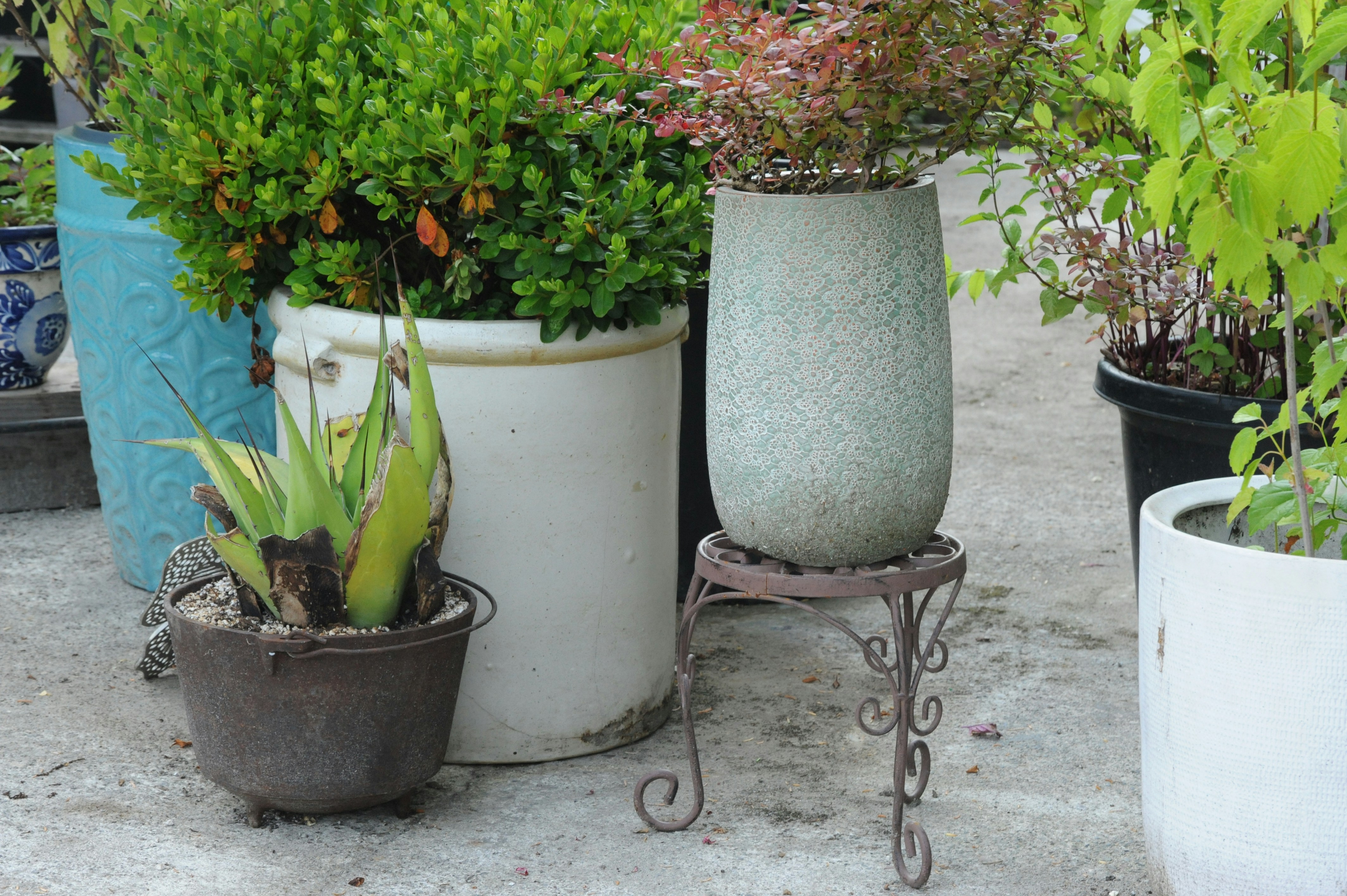
Introduction to Container Gardening
Container gardening is an innovative and practical approach to growing plants in various settings, particularly appealing to beginners and those with limited space. This gardening technique involves cultivating plants in pots or other containers, rather than directly in the ground. The primary advantage of container gardening is its space efficiency, allowing individuals to make the most of small balconies, patios, or even indoor environments.
Additionally, container gardening offers remarkable versatility. It enables gardeners to choose a varied selection of plants, including herbs, flowers, and vegetables, tailored to their preferences and available space. This adaptability makes it an ideal gardening solution for city dwellers and individuals who may not have access to traditional garden plots. Containers can be installed anywhere there is adequate sunlight, further expanding the gardening possibilities.
Another significant benefit of container gardening is the ease of maintenance it provides. With smaller planting areas, managing watering, weeding, and fertilization becomes less daunting. Beginners can learn the fundamentals of gardening in manageable doses, reducing the risk of overwhelming challenges often encountered in larger gardens. Properly chosen containers can also help prevent problems such as soil compaction and drainage issues, which are common in traditional gardening setups.
For those starting their gardening journey, container gardening presents a welcoming entrance into the world of horticulture. It encourages experimentation and creativity, as gardeners can freely switch out plant varieties, colors, and styles with each growing season. In essence, container gardening is an accessible, efficient, and rewarding avenue for cultivating plants, making it an excellent choice for anyone passionate about gardening in limited spaces.
Choosing the Right Containers
When starting a patio garden, selecting the appropriate containers is crucial for your plants’ health and growth. The type of container can significantly influence factors such as drainage, soil temperature, and moisture retention. Various types of containers include pots, window boxes, and hanging baskets, each varying in their suitability for different plant species.
Pots are the most common choice for container gardening and come in various materials, such as plastic, clay, and ceramic. Plastic pots are lightweight and often less expensive, making them a favored choice for beginners. However, they may retain heat, which can affect soil temperature. Clay pots, on the other hand, are porous, allowing for better air circulation and moisture regulation but can be heavier and more fragile. Ceramic pots are an aesthetically pleasing option, often available in vibrant colors and designs, but they can be more costly than their plastic counterparts.
Window boxes are excellent for growing herbs or small flowers, especially when space is limited. These containers can be mounted on walls or ledges, effectively utilizing vertical space while still being accessible. It’s important to ensure these boxes have good drainage to prevent plant root rot. Hanging baskets are another creative solution for container gardening, allowing you to grow trailing plants or flowers that can cascade beautifully, adding dimension to your patio garden.
When selecting a container, size is an essential consideration. Ensure the container is appropriate for the plant’s growth; larger plants generally require more space to spread their roots. Additionally, check drainage options, as proper drainage holes are vital to prevent waterlogging, which can lead to plant diseases. Ultimately, the right containers complemented with adequate watering, soil, and sunlight will lead to a successful patio garden.
Selecting the Best Plants for Container Gardening
Container gardening offers an excellent way for beginners to explore the joys of gardening, especially if space is limited. It is crucial to choose plants that thrive well in containers and adapt to the specific conditions of your environment. Among the most suitable options are a variety of flowers, herbs, and vegetables that can flourish in pots, making them ideal for starting your patio garden.
When selecting flowers for container gardening, consider options such as petunias, geraniums, and marigolds. These blooms not only add aesthetic appeal but are also relatively easy to care for. They typically require abundant sunlight and regular watering, but their resilience makes them perfect for novice gardeners. Additionally, these flowers can attract pollinators, enhancing the overall ecological balance of your patio garden.
Herbs are another fantastic choice for container gardening. Basil, parsley, and rosemary are beginner-friendly herbs that thrive in pots. They have modest light and water requirements, making them easy to maintain. Having fresh herbs on hand not only elevates culinary experiences but also encourages gardeners to engage with their plants regularly, fostering a rewarding relationship.
Vegetables can also be successfully cultivated in containers. Options such as cherry tomatoes, radishes, and lettuce are well-suited for small spaces and offer relatively quick harvests. When selecting vegetables, consider their growth habits; opting for compact or dwarf varieties can maximize your space while providing rewarding yields.
In summary, the success of your container gardening largely depends on choosing the right plants that suit your specific environment. By focusing on flowers, herbs, and compact vegetables that are easy to grow, beginners can enjoy the satisfaction of nurturing their patio garden with minimal complexity.
Soil and Fertilization Essentials
The foundation of a thriving container garden lies in the quality of the potting soil used. Unlike garden soil, which can be too dense and may contain pests or diseases, potting soil is specifically formulated to provide the optimal conditions for container plants. High-quality potting mixes often consist of components such as peat moss, vermiculite, and perlite, which ensure proper drainage and aeration, thereby promoting healthy root development.
Nutrients play a crucial role in container gardening, as plants require a variety of essential minerals for growth and flowering. A nutrient-rich potting mix can anchor these essential components needed for plant health. Typically, a balanced mix contains nitrogen, phosphorus, and potassium (N-P-K) along with micronutrients. Depending on what you are growing, some plants may have specific nutritional needs that should be addressed with tailored amendments.
When it comes to fertilization, there are various options available, including synthetic and organic fertilizers. Organic fertilizers such as compost, worm castings, or fish emulsion not only feed the plants but also improve the soil structure over time. Regular application of these organic amendments can lead to healthier soil ecosystems, which support beneficial microorganisms that ultimately benefit your plants.
To maintain soil health in container gardening, it is important to monitor the soil’s nutrient levels regularly. Using soil testing kits can help gauge nutrient availability. Additionally, incorporating cover crops or regularly rotating your plants can help to replenish nutrients and prevent soil exhaustion. Finally, be sure to refresh your potting mix every couple of seasons to ensure that your patio garden remains vibrant and productive.
Watering and Drainage Tips
Proper watering and adequate drainage are critical components for successful container gardening, especially for beginners. Container plants, unlike those in traditional gardens, experience unique challenges due to their confined space and contained soil environment. Consequently, a tailored watering routine is essential to maintain plant health and prevent issues such as root rot.
The first step in establishing an effective watering schedule is to consider the specific needs of individual plants. Different species require varying amounts of water; for example, succulents and cacti thrive in drier conditions, while herbs such as basil and mint prefer consistently moist soil. As a general guideline, it is advisable to check the top inch of soil for dryness before watering. If it feels dry to the touch, it is typically time to water the plant.
Container size also plays a vital role in determining how often to water. Smaller pots dry out more quickly than larger ones, meaning plants in smaller containers may require daily watering, especially during hot weather. In contrast, larger containers hold moisture for a more extended period, potentially necessitating less frequent watering. Additionally, weather conditions should inform your watering routine; during particularly hot or windy days, plants may require extra moisture compared to cooler or humid conditions.
Equally important as watering is ensuring proper drainage to prevent root rot. Containers should have drainage holes to allow excess water to escape. If a pot lacks these essential holes, consider using pebbles or gravel at the bottom to facilitate drainage. By adhering to these watering and drainage tips, container gardeners can create a thriving patio garden that flourishes throughout the growing season.
Placement and Sunlight Requirements
Choosing the right location for your container garden is paramount for the health and growth of your plants. The amount of sunlight that your containers receive directly affects plant performance. Most vegetables and flowering plants thrive with at least six hours of direct sunlight each day. Therefore, when selecting the placement of your containers, observe the sun’s path and identify which areas receive sufficient light throughout the day.
Different plants have varying sunlight requirements. For instance, sun-loving plants such as tomatoes, peppers, and basil require full sun, meaning they benefit from 6 to 8 hours of sun exposure. On the other hand, leafy greens and herbs like spinach and cilantro may prefer partial shade, thriving with about 4 to 6 hours of light daily. It is crucial to match the light needs of the plants with their designated spots in your container garden.
Besides sunlight, consider environmental factors such as wind and proximity to other plants. Container arrangements should allow for good airflow to avoid fungal diseases and promote healthy growth. Positioning your plants in a way that taller plants do not shade shorter ones can help ensure that all plants receive adequate light. Furthermore, placing your containers on surfaces that retain heat, like concrete or stone, can boost nighttime warmth and allow for a longer growing season.
Lastly, if you find that your chosen area does not satisfy the light necessities of your plants, consider using reflective surfaces or grow lights for supplemental lighting. With careful planning and consideration of placement based on sunlight exposure and other environmental elements, you can create a thriving container garden that flourishes all season long.
Seasonal Care and Maintenance
Caring for a container garden throughout the seasons requires attentiveness and timely action to ensure plants remain healthy and productive. Each season brings its own set of maintenance tasks, and understanding these can significantly impact the success of your garden.
In spring, as temperatures begin to rise, it is important to prepare your container garden for new growth. This can involve cleaning your containers, removing any debris, and checking for signs of pests or disease. Deadheading spent blooms from previous seasons encourages new flowering, while pruning overgrown plants helps maintain their shape and health. Additionally, consider replenishing the potting mix with fresh soil and nutrients, promoting robust growth for the season ahead.
During the summer, container gardens may require more frequent watering due to increased evaporation. Checking moisture levels daily is crucial; the soil should remain consistently moist but not waterlogged. Mulching is a helpful technique to retain moisture and regulate soil temperature. Look out for pests, such as aphids or spider mites, which are more prevalent in warmer weather. Implement organic pest management strategies, such as introducing beneficial insects or using insecticidal soap, to control infestations without harming your plants.
As autumn approaches, it is vital to start preparing your container garden for the colder months. Cutting back perennials and removing annuals that have completed their life cycle helps tidy the garden. Consider adding mulch to provide extra insulation to the plants and conserve moisture. This is also a prime time to plant bulbs for spring blooms or transplanting cold-weather vegetables like kale or spinach into your containers.
Finally, in winter, most container gardens require special care. If you live in a region with freezing temperatures, insulating pots with materials like bubble wrap or moving them to a sheltered location can protect root systems. Additionally, regular checks on watering are necessary, even in cold weather, as pots can still dry out. Ensuring your container garden is prepared for winter will help it thrive when spring returns.
Creative Container Arrangements
When it comes to container gardening, creativity can play a significant role in enhancing the beauty and functionality of your patio garden. An effective way to achieve this is through grouping pots in a visually appealing manner. By arranging pots of various sizes, colors, and shapes, you can create an interesting visual display that captures the attention of anyone who visits your space.
Consider using a tiered arrangement where taller plants are placed toward the back and shorter plants in front, creating an attractive layered effect. This setup also ensures that every plant receives adequate sunlight. Utilizing containers of different colors can help set a specific mood. For instance, vibrant hues can add cheerfulness, while neutral tones offer a subtle elegance.
Thematic groupings can further enhance your container gardening efforts. An herb garden can be beautifully arranged by combining various herbs such as basil, rosemary, and mint in a single container or within multiple pots displayed cohesively. This not only provides aesthetic value but also allows for easy access when cooking. For a flower display, consider color-coordinating blooms to form a gradient effect, or mix different types of flowers to create a cheerful array that attracts pollinators.
Alternatively, selecting a variety of vegetables can lead to considerations for both beauty and utility. Combining cherry tomatoes, bell peppers, and leafy greens in colorful containers can produce an attractive, edible garden. Experimenting with container heights and textures can add depth and character to your gardening display.
Ultimately, the goal of container gardening is to express your unique style while maximizing the available space. Through creative arrangements and thematic selections, your patio garden can become a personal sanctuary, whether utilized for aesthetics, culinary purposes, or relaxation.
Common Challenges and Solutions
Embarking on a journey into container gardening can be incredibly rewarding, yet beginners often encounter several common challenges that can hinder their success. Understanding these challenges and their solutions is essential for maintaining a flourishing patio garden.
Pests pose a significant threat to container gardens. Aphids, spider mites, and whiteflies are just a few of the insects that may invade your plants. Regular monitoring is crucial; inspect your plants frequently for any signs of infestation. A simple, preventive measure includes using neem oil or insecticidal soap, both of which can deter pests effectively. Additionally, introducing beneficial insects like ladybugs can help in managing pest populations naturally.
Diseases can also compromise the health of your plants. Fungal infections, such as powdery mildew, and bacterial infections are common in container gardens. To mitigate these risks, ensure proper air circulation around your plants by not overcrowding them. Watering early in the day can help reduce humidity levels on the foliage, making it less conducive for diseases to thrive. If infection occurs, remove affected leaves immediately and consider using organic fungicides as a treatment option.
Environmental stressors, such as extreme temperatures, can significantly impact container gardening. Container plants may suffer from heat stress or cold shock. To protect your plants, choose heat-tolerant varieties when temperatures soar, and provide adequate shade during the hottest parts of the day. Conversely, during colder months, consider using insulating materials or placing containers in protected areas to shield them from frost. Regularly checking weather forecasts can help you prepare for any forthcoming changes.
In conclusion, successfully navigating the challenges faced in container gardening requires vigilance and knowledge. By understanding pests, diseases, and environmental stressors, you can implement effective solutions to foster a thriving patio garden.