Understanding Low-Light Conditions
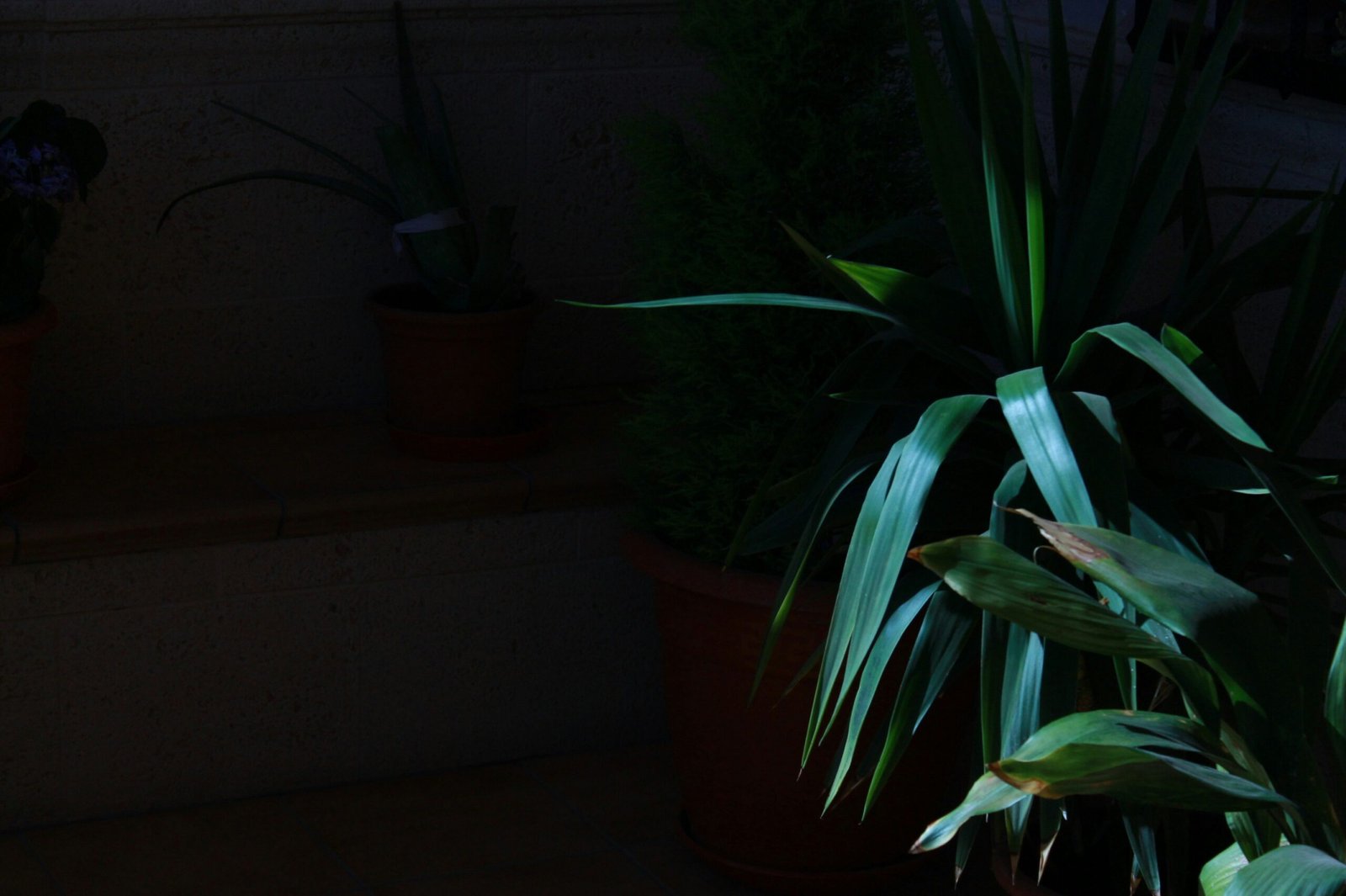
Low-light conditions in apartments can be defined as environments where natural sunlight is insufficient for typical plant growth. This may arise from various factors such as small and narrow windows, limited exposure to the sun, or blockages caused by nearby buildings or furniture. It is vital for plant enthusiasts and apartment dwellers to recognize these conditions in order to choose appropriate low-light plants that thrive in less than ideal circumstances.
Several characteristics contribute to low-light areas, including the direction of the windows and the arrangement of the living space. For instance, north-facing windows typically receive the least sunlight, making rooms with such orientations prime candidates for low-light conditions. Additionally, heavy drapes, blinds, or obstructions outside, like trees or structures, can further limit the amount of light that enters a room. Even interior elements such as large bookshelves or tall furniture can obstruct natural light, amplifying low-light conditions.
Assessing light levels within your apartment is crucial for selecting the right plants. A simple method to evaluate light intensity involves observing the brightness throughout the day. One can use a scale from low to bright light, categorizing rooms based on the amount of sunlight they receive. For instance, rooms that are dimly lit even during the day generally categorize as low-light spaces, while those that receive direct sunlight are considerably brighter.
Furthermore, utilizing light meters can provide a more accurate representation of light levels, which can be particularly beneficial if you are unsure of your room’s lighting conditions. In conclusion, understanding low-light conditions is essential for successful indoor gardening, ensuring that your green companions can flourish despite the challenges presented by a small apartment environment.
Best Low-Light Plants for Apartments
When it comes to selecting low-light plants that thrive in small apartments, several varieties stand out due to their resilience, aesthetic appeal, and minimal care requirements. These plants not only enhance the beauty of the living space but also improve air quality, making them ideal choices for indoor environments.
One of the most popular options is the Snake Plant (Sansevieria trifasciata). This hardy plant can tolerate a range of light conditions, though it thrives in low to medium light. The Snake Plant features upright, sword-like leaves that add a touch of elegance to any corner. It requires minimal watering and is known for its air-purifying qualities.
Another excellent choice for low-light environments is the Pothos (Epipremnum aureum). This plant is renowned for its trailing vines, which can easily adapt to various indoor settings. Pothos can flourish in low light and requires infrequent watering, making it perfect for busy individuals. Its heart-shaped leaves are visually striking and come in various shades, adding versatility to small areas.
The ZZ Plant (Zamioculcas zamiifolia) is also an excellent low-light option, prized for its glossy, deep green leaves. This plant is known for its ability to survive in low-light conditions and can handle neglect, making it suitable for those who may forget to water from time to time. The ZZ plant’s compact growth habit allows it to fit snugly on a shelf or desk.
Finally, the Peace Lily (Spathiphyllum) offers both beauty and functionality. This plant not only prefers low light but also produces stunning white flowers, making it a popular choice for decor. Peace Lilies can tolerate low light but thrive with moderate indirect light, and they benefit from regular watering.
Overall, these low-light plants not only serve practical purposes but also enhance the aesthetics of small apartments. Their diverse sizes and growth habits make them adaptable to various spaces, ensuring that even the most compact areas can be transformed into vibrant green havens.
Care Tips for Low-Light Plants
Caring for low-light plants involves understanding their specific needs to thrive in limited light conditions. One of the crucial aspects of maintaining these plants is watering. It is important to adopt a less frequent watering schedule compared to other plants, as overwatering can lead to root rot. Allow the top inch of soil to dry out before watering again, ensuring that the plant receives adequate hydration without becoming waterlogged.
The choice of soil for low-light plants plays a vital role in their health. A well-aerated, well-draining potting mix is recommended, as it supports root health and prevents stagnant water. Look for soils that include a combination of peat, perlite, and vermiculite, which are effective at retaining moisture while providing good drainage.
Fertilization is an essential part of plant care but should be approached with caution. Low-light plants often require less frequent fertilization than those in brighter environments. During the growing season, a diluted liquid fertilizer once a month is typically sufficient. This approach delivers necessary nutrients without the risk of over-fertilization, which can be detrimental to plant health.
Occasional pest control is necessary to protect low-light plants. Regular inspections for pests such as spider mites or aphids help identify issues before they escalate. If pests are detected, consider using insecticidal soap or neem oil as a natural remedy. These treatments are effective while being gentle on the plants.
Common issues, such as yellowing leaves or stunted growth, signal that the plant may be under stress. Yellowing may indicate overwatering or nutrient deficiencies, while stunted growth can be a sign of insufficient light, despite the plant being low-light tolerant. Adjusting the watering routine and ensuring the plant is receiving proper nutrients can often resolve these issues.
Creating a suitable indoor environment for low-light plants is paramount. Maintaining stable temperatures, avoiding drafts, and ensuring adequate humidity levels can contribute significantly to the plants’ well-being, even in small apartments where natural light may be limited.
Decorating with Low-Light Plants in Small Spaces
Incorporating low-light plants into small apartments can drastically enhance both aesthetic appeal and indoor air quality. One of the most effective strategies for achieving this is by maximizing vertical space. Utilizing shelves and wall hangings allows you to display a variety of plants without consuming valuable floor space. Choose sturdy shelves to hold planters and mix varying heights to create visual dynamism, making the most of your vertical environment.
In addition to shelves, unique planters can significantly contribute to the overall decor. Consider selecting planters that align with your interior design style, whether it’s modern, rustic, or minimalist. Hanging planters or wall-mounted holders not only save space but also serve as eye-catching decor elements. Using materials like woven baskets or geometric ceramics can add texture and interest to your living area.
Grouping plants is another efficient way to create visual interest. Select a variety of low-light plants and arrange them in clusters of varying heights and textures. This approach draws the eye and produces a layered effect, elevating the room’s ambiance. Don’t forget to consider how natural light filters into your space; even low-light plants can benefit from the occasional exposure to sunlight.
Beyond their decorative appeal, low-light plants play a crucial role in enhancing indoor air quality. Many plants, such as the snake plant or pothos, are known to filter toxins and produce oxygen, creating a healthier living space. Moreover, tending to your plants can offer therapeutic benefits, reducing stress and fostering a sense of well-being. The act of caring for life within your home engages both your mind and spirit, making small apartments feel more vibrant and inviting.