which plants is the best plants to get more values in Apartment?
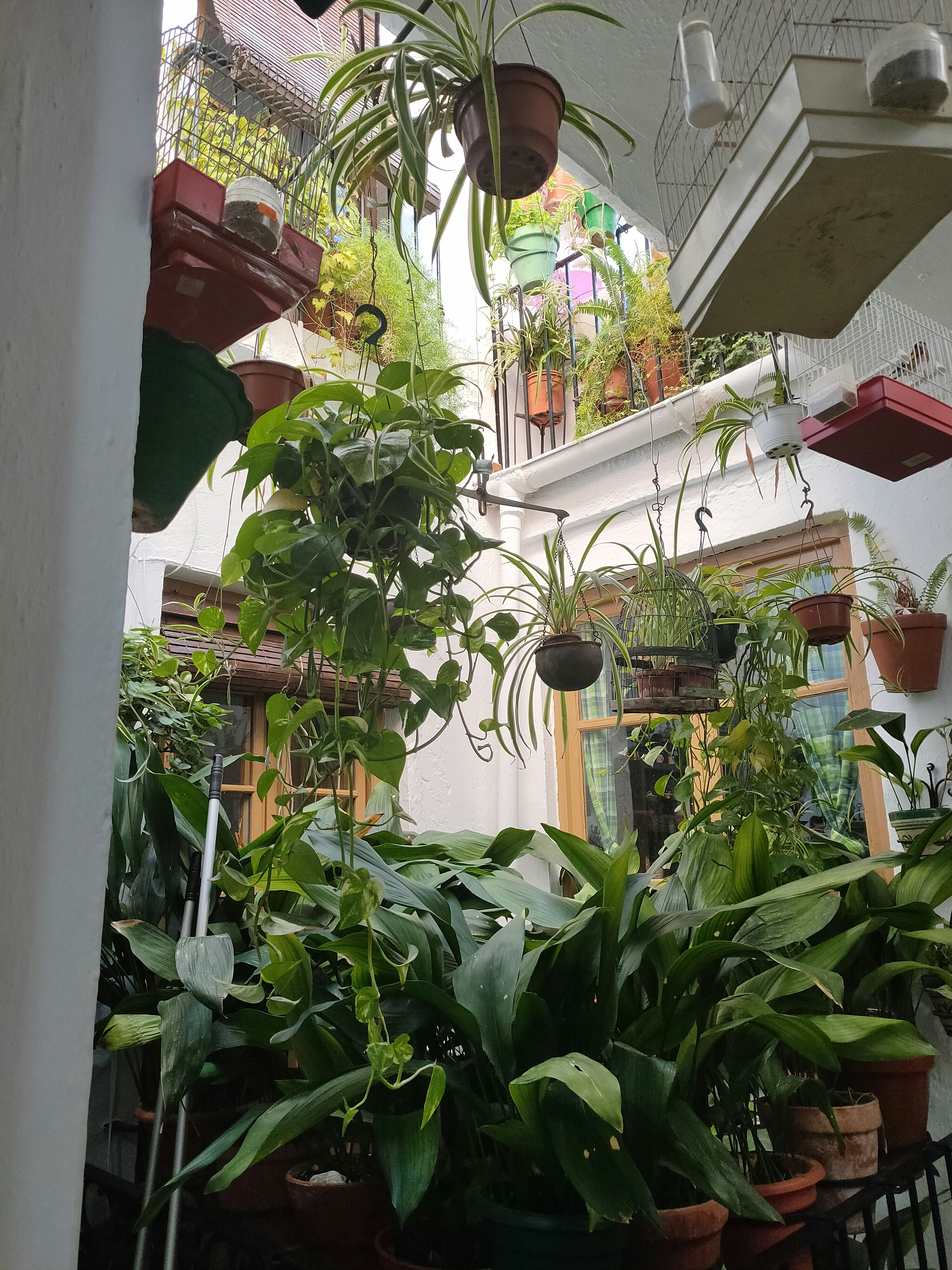
Introduction to Apartment Gardening
Apartment gardening is an increasingly popular trend among urban dwellers looking to connect with nature, improve indoor environments, and enhance their living spaces. Growing plants in an apartment can yield numerous benefits, significantly impacting both mental and physical well-being. One of the primary advantages of apartment gardening is its potential to improve air quality. Plants are known to absorb carbon dioxide and release oxygen, creating a fresher atmosphere within confined spaces. Furthermore, certain plants can even filter out toxins, contributing to a healthier indoor environment.
In addition to purifying the air, the presence of greenery in an apartment can enhance mood and wellbeing. Studies suggest that tending to plants can reduce stress levels, increase productivity, and trigger feelings of happiness. The act of nurturing plants can also provide a sense of achievement, which can be particularly rewarding in the often bustling and fast-paced urban landscape.
Aesthetically, adding plants to an apartment can transform an otherwise bare space into a vibrant and inviting sanctuary. It offers an opportunity to showcase personal style while also creating an oasis that brings a touch of the outdoors in.
However, apartment gardening does come with its own set of challenges. Limited natural light can hinder the growth of many plant varieties, requiring careful selection of species that thrive in low-light conditions. Additionally, space constraints often mean that growing options may be limited to small pots or vertical gardens. This makes it essential for apartment gardeners to choose plants that are suitable for their specific living situations, ensuring they can still enjoy the rewards of greenery in their homes.
Top Low-Maintenance Plants for Apartments
For apartment dwellers looking to incorporate greenery into their living spaces, low-maintenance plants are the perfect option. These plants not only enhance the aesthetic appeal of your home but also contribute to improved air quality. Below, we explore some of the best low-maintenance plants ideal for indoor environments.
One of the best choices for beginners is the Snake Plant (Sansevieria). Known for its sword-like leaves and striking appearance, the Snake Plant is remarkably resilient. It thrives in low light and only requires watering every few weeks, making it a great option for busy lifestyles. Additionally, the Snake Plant is an excellent air purifier, filtering out indoor toxins.
Another excellent option is the Pothos (Epipremnum aureum), a popular trailing plant characterized by its heart-shaped leaves and vibrant green hues. Pothos can thrive in a variety of lighting conditions, from low light to bright, indirect sunlight. This adaptability, combined with its infrequent watering requirements, makes it highly suitable for apartment living. Regular pruning also encourages fuller growth, enhancing its visual appeal.
Lastly, consider the ZZ Plant (Zamioculcas zamiifolia). This hardy plant is perfect for those who may occasionally forget to water their plants, as it can tolerate long periods of neglect. The ZZ Plant flourishes in low light environments and has a unique glossy foliage that adds an elegant touch to any room. With minimal care, it remains healthy and vibrant.
Overall, these low-maintenance plants not only beautify your apartment but also improve your living environment, making them ideal choices for both novice and experienced indoor gardeners.
How to Choose the Right Plants for Your Space
Choosing the right plants for your apartment is essential for enhancing your living environment and ensuring the health of the plants. The first step is to assess the amount of natural light available in your space. Different plants have varying light requirements; some thrive in low-light conditions, while others need bright, indirect sunlight. For instance, the snake plant and pothos can adapt well to shade, making them perfect candidates for dimly lit corners. Conversely, succulents and cacti require bright light and should be placed near windows.
Furthermore, consider the size of your apartment when selecting plants. If you have limited space, opt for smaller plants such as herbs or smaller varieties of ferns that can be placed on shelves or countertops. Tall, broad-leaved plants, such as fiddle-leaf figs or rubber plants, can create a stunning focal point in larger rooms but may overpower a compact living area.
It’s also essential to align your choice of plants with your personal lifestyle. If you have a busy schedule and travel frequently, low-maintenance plants like the ZZ plant or peace lily can be ideal as they require minimal care and are generally forgiving in terms of watering. On the other hand, if you enjoy gardening and can devote time to plant care, you might want to explore more demanding species that may offer rewards through their unique growth habits and flowering cycles.
Additionally, consider the air purification properties of plants. Many indoor plants have been shown to improve indoor air quality by filtering toxins. For example, spider plants and bamboo palms are not only aesthetically pleasing but also promote cleaner air, contributing to a healthier living environment. Taking the time to analyze these factors will ensure you select the best plants suitable for your apartment space.
Caring for Your Apartment Plants
Caring for your apartment plants is crucial to ensure they thrive and add beauty to your living space. Proper care encompasses several key factors, including watering, lighting, and fertilization. Each plant species has specific needs that must be met for optimal health.
Watering is perhaps the most fundamental aspect of plant care. Overwatering is a common mistake that can lead to root rot, while underwatering can cause dehydration. Generally, it is best to allow the top inch of soil to dry out before watering again, though this may vary depending on the type of plant you have. Using a moisture meter can be immensely helpful in determining the right time to water.
Lighting is another essential factor that greatly influences the health of your plants. Different plants require varying levels of light, with some thriving in direct sunlight and others preferring low-light conditions. Assessing the amount of natural light available in your apartment is crucial. Placing your plants near a bright window can be beneficial, but be mindful of potential scorching from intense midday sun. For those spots that lack adequate light, consider investing in grow lights, which can supplement sunlight and promote healthy growth.
Fertilization is vital for replenishing the nutrients in the soil over time. Apartment plants benefit from regular feeding during their growing season, which typically spans spring to summer. Using a balanced, water-soluble fertilizer can provide the essential nutrients plants need to flourish. Make sure to follow the instructions carefully to avoid over-fertilizing, which can harm your plants.
To assist you in your plant care journey, various tools can enhance your routine. Smart pots equipped with moisture monitoring technology can help automate watering, while handy gardening apps provide personalized care schedules based on your plant types. By combining knowledge with the right tools, you can create a nurturing environment for all your apartment plants.