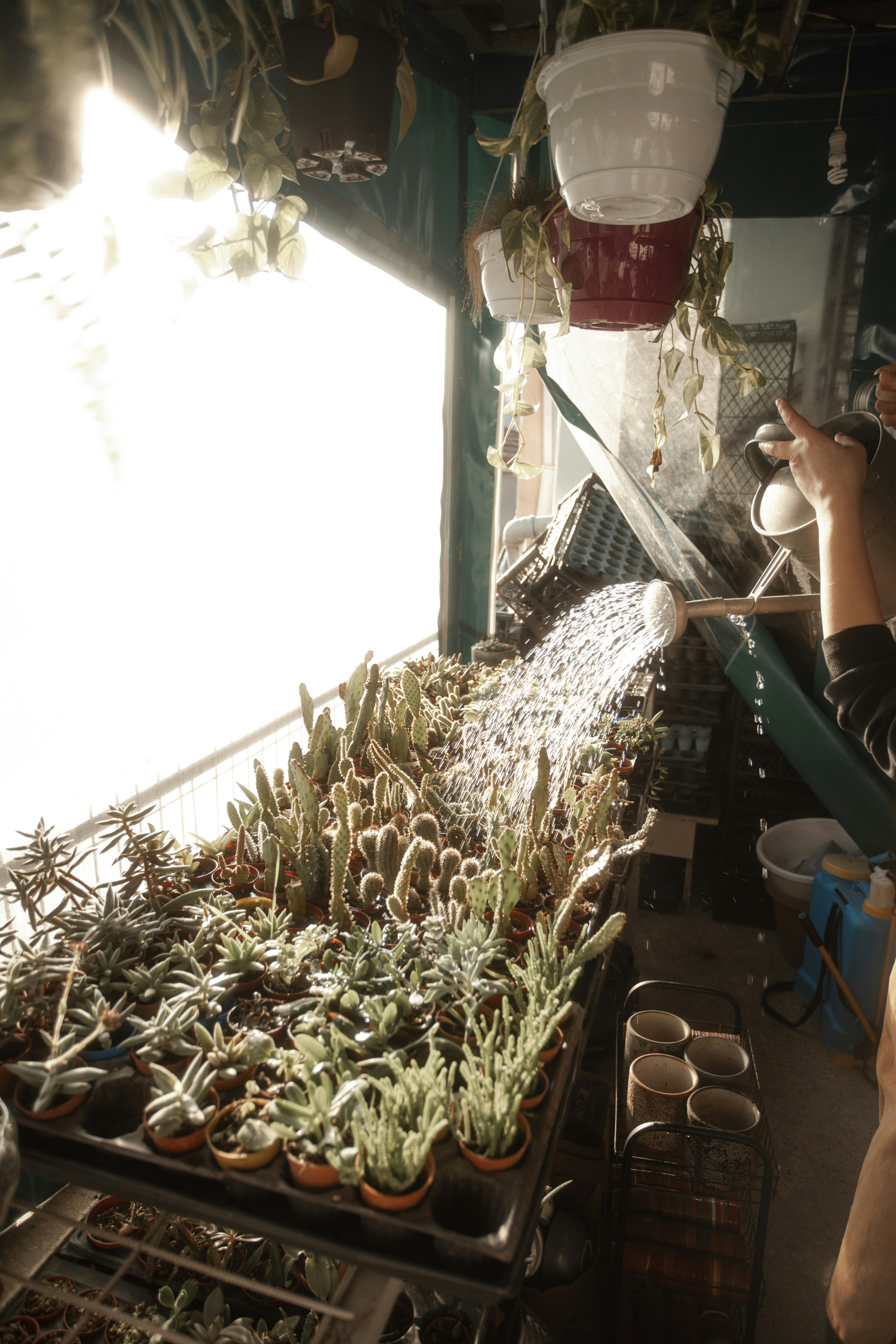
Understanding Succulents: Nature’s Water Reservoirs
Succulents are a diverse group of plants characterized by their unique ability to store water in specialized tissues, including leaves, stems, and roots. This remarkable trait allows them to thrive in arid environments, effectively adapting to conditions where water is scarce. The evolutionary advantages offered by this adaptation are significant, as succulents have developed strategies to minimize water loss, including thickened cuticles and a unique type of photosynthesis known as CAM (Crassulacean Acid Metabolism). This process enables them to open their stomata at night, thereby reducing evaporation during the hotter daytime hours.
There are several key species and varieties of succulents, each exhibiting distinct characteristics that contribute to their resilience. For instance, the Agave family is renowned for its rosette-shaped growth and thick leaves that act as reservoirs for moisture. Similarly, the Echeveria varieties showcase a stunning array of shapes and colors, while also boasting the critical adaptations necessary for surviving in extreme drought conditions.
Another notable example is the Aloe Vera, known not only for its water-storing capabilities but also for its medicinal properties. Its fleshy leaves can contain up to 96% water, making it an excellent illustration of how succulents are nature’s water reservoirs. Additionally, the Sedum species, often referred to as stonecrops, exhibit a remarkable diversity, thriving in various environments and providing ground cover with their vibrant foliage.
Overall, the unique characteristics of succulents reflect their adaptive strategies, allowing them to not only survive but flourish in some of the most challenging climatic conditions on Earth. Understanding these plants’ nature enables better care practices, particularly in managing their watering needs effectively.
The Importance of Proper Watering Techniques
Watering succulents correctly is crucial for their overall health and longevity. These unique plants have adapted to thrive in arid environments, which means they have specific watering requirements that differ significantly from other houseplants. Understanding how to provide adequate moisture without overdoing it is vital for successful succulent care. Improper watering techniques can lead to various issues, primarily when succulents are subjected to either overwatering or underwatering.
Overwatering is perhaps the most common mistake among succulent owners. When succulents receive too much water, the roots can become waterlogged, leading to root rot—a condition that can severely damage or even kill the plant. Symptoms include yellowing leaves, mushy stems, and an overall decline in plant health. To prevent these issues, it is essential to allow the soil to dry out completely between watering sessions. Succulents thrive in drier conditions, and their specialized root systems need air circulation to function correctly.
On the other hand, underwatering succulents can also pose significant risks. While these plants are drought-tolerant, prolonged lack of water can result in dehydration. Symptoms include shriveled leaves, browning edges, and stunted growth. Finding the right balance in watering is essential for maintaining vibrant and healthy succulents. The 5-minute rule, which advocates for a quick yet thorough watering method, can help ensure that your plants receive the moisture they need without the risk of over-saturation. This approach emphasizes a methodical yet adaptable watering schedule based on the specific needs of the plants and their environment.
Introducing the 5-Minute Rule
The 5-minute rule is a practical and efficient approach to watering succulents that prioritizes the assessment of plant needs based on their surrounding environment. This guideline encourages gardeners to dedicate a brief amount of time, specifically five minutes, evaluating the condition of their succulents rather than adhering to strict watering schedules. By observing the plants regularly, individuals can make informed decisions about when and how much to water, thus helping to prevent common issues such as overwatering, which can be detrimental to succulent health.
Understanding the 5-minute rule begins with recognizing that each succulent type possesses unique needs, which can vary dramatically based on factors like temperature, humidity, and light exposure. For instance, a succulent in a dry, hot environment will require more frequent watering than one placed in cooler, shaded conditions. Therefore, this practical rule suggests that each time a gardener interacts with their succulents, they should take a moment to inspect the soil moisture, foliage appearance, and overall plant vitality.
This approach not only simplifies the watering process but also fosters a connection between the gardener and their plants, enhancing observation skills and leading to better overall care. It alleviates the anxiety often associated with plant care, as the gardener does not need to remember a complicated schedule or rely on external cues; a simple five-minute check can suffice. By applying this rule, gardeners can cultivate a more intuitive understanding of their plants’ hydration needs while also enjoying the process of nurturing their succulent collection.
Implementing the 5-Minute Rule
To effectively implement the 5-minute rule when watering your succulents, it is crucial to follow a systematic approach. Begin by checking the moisture level of the soil surrounding your succulent. This can be accomplished using your finger; simply press it into the soil up to one inch deep. If the soil feels dry at this depth, it is a clear indication that your succulent requires watering. However, if the soil is still damp, it is best to wait a few days before checking again.
Observing the overall health of your succulent is equally important. Look for signs such as leaf discoloration, wrinkling, or drop-off, which can indicate that your watering schedule may need adjustment. Timely observations can help you identify whether your plant is receiving the right amount of moisture, enabling you to adapt your approach effectively.
Adaptability is key, especially during seasonal changes. In winter, for example, succulents typically require less frequent watering than in the warmer summer months. Monitoring temperature changes and adjusting your watering frequency accordingly is essential to keep your plants thriving. Note that during the growing season, from spring to summer, checking soil moisture every week is generally advisable, while in the dormant season, bi-weekly checks may be more appropriate.
Furthermore, utilizing effective tools can greatly enhance the accuracy of your watering schedule. A moisture meter can provide precise readings regarding the soil’s moisture content and ensure that you never overwater. By incorporating this tool along with your 5-minute checks, you can streamline the process, making it easier to maintain healthy succulents. In summary, implementing the 5-minute rule involves regularly checking soil moisture, observing plant health, adjusting for seasonal changes, and using tools such as moisture meters for optimal care.
Signs Your Succulents Need Water
Recognizing when your succulents require water is crucial for their health and vitality. Several observable signs may indicate the need for hydration, helping you effectively implement the 5-minute rule in your watering routine.
One of the most common signs that a succulent is thirsty is the appearance of wrinkled or droopy leaves. When succulents lack sufficient moisture, their leaves, which are typically plump and firm, can start to shrivel and appear deflated. This is a clear visual cue that your plant may need immediate watering. You may also notice that the leaves begin to droop, losing their usual erect posture. This droopiness signifies dehydration and should not be ignored.
Additionally, changes in coloration can also signal that succulents are in distress due to inadequate watering. Healthy succulents typically showcase vibrant colors, but when they are underwatered, their leaves might exhibit a faded or dull appearance. Some varieties may start to turn a yellowish or brownish hue as a reaction to drought stress. These changes can serve as critical indicators that it is time to water your succulents.
Another sign to watch for is the development of dry spots or leaf drop. If you begin to see leaves falling off or drying out, it is often a result of underwatering. Keep an eye on your succulents and ensure they are receiving the appropriate amount of water according to their specific needs.
In conclusion, being attuned to these signs can help you maintain your succulent’s health and enhance their growth. By paying attention to the nuances in your plants’ appearance, you can respond effectively and ensure they thrive between waterings.
How Environmental Factors Affect Watering Frequency
The watering needs of succulents can vary significantly based on several environmental factors, including light exposure, humidity, and temperature. Understanding how these conditions influence water uptake is crucial for maintaining succulent health and vitality.
Light exposure is one of the most prominent factors affecting the watering frequency of succulents. These plants typically thrive in bright, indirect light, and their water consumption will increase in such conditions. When succulents receive ample sunlight, they tend to use up moisture more rapidly, necessitating more frequent watering. Conversely, when succulents are placed in low-light environments, their water needs decrease significantly.
Humidity levels also play a vital role in how often succulents should be watered. In environments with higher humidity, the rate of evaporation is reduced, which can decrease the frequency of watering required. In contrast, succulents grown in dry or arid conditions may require additional watering to compensate for the increased evaporation rates. Monitoring these environmental variables can help growers fine-tune their watering schedules.
Temperature is another crucial factor that affects the watering frequency of succulents. During hot summer months, succulents may experience increased respiration rates and dehydration, prompting a need for more frequent watering. Conversely, in cooler temperatures, the activity levels of these plants decrease, leading to reduced water uptake and the necessity for less frequent irrigation.
Utilizing the 5-minute rule can greatly assist succulent enthusiasts in adapting their watering habits based on these changing environmental conditions. By assessing the moisture level of the soil and accounting for the accompanying environmental factors, growers can ensure their succulents receive the appropriate amount of water without over or under-watering.
The Role of Soil in Succulent Care
One of the most critical aspects of succulent care lies in the type of soil used for planting. Well-draining soil is essential for succulents, as these plants are prone to root rot if left in overly moist conditions. The composition of the soil significantly impacts the watering practices associated with the 5-minute rule. Generally, succulents thrive in a mix that allows excess water to escape quickly while retaining enough moisture for the plants to absorb nutrients.
Common soil types used for succulents include sandy soil, commercial cactus mixes, or blends containing perlite and pumice. Sandy soils offer excellent drainage, making them ideal for preventing waterlogged roots. Commercial cactus potting mixes often incorporate ingredients to enhance aeration and drainage, which is essential for succulent health. This specific composition aligns with the 5-minute rule by ensuring succulents receive the right amount of moisture without becoming waterlogged.
Additionally, incorporating organic matter like compost can improve soil structure. However, too much organic matter may lead to improper drainage as it retains moisture. Therefore, it is crucial to find a balance to promote a healthy root system. Root systems of succulents are designed to store water; thus, they need to dry out between watering sessions. The right soil composition complements this behavior, enabling plants to thrive with minimal attention.
In summary, the type of soil used is a foundational aspect of proper succulent care. A well-draining mix not only supports the watering practices laid out by the 5-minute rule but also promotes healthy growth and minimizes the risk of root rot. Therefore, choosing the right soil is a critical step for anyone looking to cultivate healthy and vibrant succulents.
Common Mistakes in Watering Succulents
Watering succulents can be a straightforward task, yet many owners make common mistakes that can lead to poor plant health. One prevalent error is failing to allow the soil to dry out completely before the next watering. Succulents thrive in arid conditions, and their roots are susceptible to rot if consistently exposed to moisture. As a best practice, checking the top inch of soil for dryness can help inform when it is time to water again, adhering to the principles of the 5-minute rule.
Another common mistake is using inappropriate containers without drainage holes. Succulents require pots that allow excess water to drain away, which prevents soggy soil that can harm the roots. Containers made of porous materials like terracotta can be beneficial because they allow for better airflow and moisture regulation compared to plastic pots. Ideally, any pot used for these water-conscious plants should feature proper drainage to facilitate optimal growing conditions.
Additionally, some succulent owners tend to overcompensate for dry conditions by watering too frequently. This frequency can confuse the plants about their water needs. It is essential to understand that succulents are designed to store water in their leaves and stems, making them capable of withstanding longer periods without watering. A general rule of thumb is to observe each plant, as different succulent species can have varying water requirements.
In essence, recognizing these mistakes empowers succulent owners to enhance their care routines effectively. By ensuring soil dryness between waterings and utilizing appropriate containers with drainage, plus being cautious about watering frequency, succulent enthusiasts will promote healthier, more resilient plants. Careful attention to these aspects can significantly improve the overall vitality of your succulent garden.
Conclusion and Final Tips for Succulent Care
In summary, maintaining proper watering habits is essential for the health of succulents, and the 5-minute rule offers a straightforward approach. This method emphasizes the importance of assessing the moisture level of the soil before deciding on watering, ensuring that succulents receive the right amount of hydration without the risk of overwatering. Succulents, which thrive in arid conditions, require a watering schedule that is not only flexible but also tailored to their individual needs.
Beyond the 5-minute rule for watering, there are several practices that can enhance the overall care of your succulents. Providing adequate light is crucial; succulents generally prefer bright, indirect sunlight. A south-facing window or a well-lit space can create an ideal environment, promoting healthy growth. Additionally, soil selection is vital. Use a well-draining potting mix specially formulated for succulents to prevent excess moisture retention.
Fertilizing succulents can contribute to their health and vibrancy. A diluted, balanced fertilizer during the growing season can provide essential nutrients without overwhelming the plants. However, during the dormant winter months, it is advisable to refrain from fertilizing, as they require less energy during this time.
Regularly inspecting plants for pests or signs of distress can help maintain their health. Being proactive in managing potential issues can safeguard the longevity of these resilient plants. Ultimately, understanding the nuances of succulent care will foster an enjoyable and enriching experience in your gardening journey.