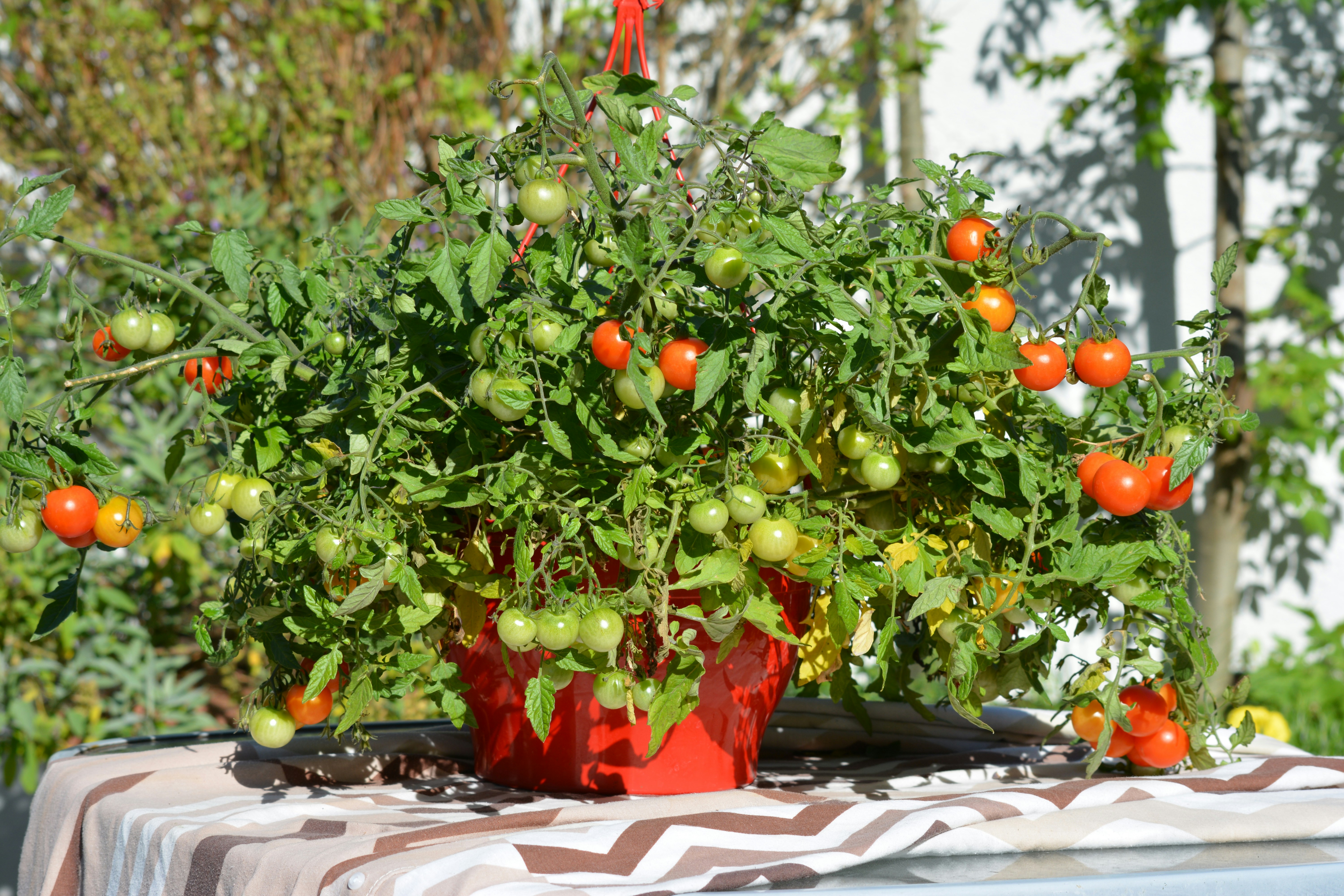
Introduction to Growing Tomatoes in Pots
Growing tomatoes in pots is an increasingly popular gardening method, particularly among urban dwellers and individuals with limited outdoor space. With the right approach and materials, anyone can cultivate this beloved fruit on a balcony, patio, or even a small terrace. Container gardening offers a flexible and accessible way to grow fresh tomatoes, allowing for a rewarding gardening experience regardless of one’s living conditions.
One of the primary advantages of growing tomatoes in pots is the ability to control the growing environment. Container gardening allows for better drainage and soil quality, which can lead to healthier plants. Moreover, using pots provides the necessary mobility to relocate plants to areas that receive optimal sunlight or protection from inclement weather. This adaptability can result in improved yields, especially in areas where traditional gardening is not feasible.
In addition to practical benefits, growing tomatoes in pots can also enhance the aesthetic appeal of small outdoor spaces. Colorful containers can serve as decorative elements while also providing a source of fresh produce. For those who crave homegrown tomatoes, cultivating them in pots makes it easier to engage with the gardening process, from planting to harvesting.
Furthermore, container gardening requires less physical space and reduces soil-borne pest and disease issues, making it an ideal choice for those new to gardening. It can also be less labor-intensive compared to traditional methods. Through thoughtful selection of pot size, tomato variety, and care techniques, it is possible to enjoy a flourishing tomato garden even in compact environments.
Choosing the Right Tomato Varieties for Pots
\n
When considering how to grow tomatoes in pots, selecting the appropriate varieties is crucial to achieving a successful yield. Tomatoes are broadly categorized into two main types: determinate and indeterminate. Understanding the differences between these types will aid in making the best choice for container growth.\n
Determinate varieties are compact and bush-like in growth, typically reaching a height of 1-3 feet. They produce flowers and fruit all at once, leading to a concentrated harvest over a limited time. This characteristic makes them an ideal choice for pot cultivation, as they do not require extensive staking and can thrive in smaller containers. Popular determinate varieties include ‘Patio Princess’ and ‘Tiny Tim,’ both known for their excellent performance in pots and limited space.\n
On the other hand, indeterminate tomatoes continue to grow and produce fruit throughout the season until killed by frost. They are usually taller and require larger containers and more robust support systems, which may not be practical for all gardeners. However, certain indeterminate varieties such as ‘Sweet 100’ and ‘Sun Gold’ can still adapt to pot growing if sufficient space and support are provided.\n
When selecting tomato varieties for pots, consider factors such as growth habit, size, and flavor. Cherry tomatoes, often indeterminate, are highly recommended for containers due to their prolific nature and delightful sweetness. Additionally, newer patio varieties have been bred specifically for container gardening, making them ideal options for those with limited space.\n
Overall, focusing on a mix of determinate and well-suited indeterminate varieties will ensure a continuous supply of delicious tomatoes throughout the growing season while accommodating the constraints of pot gardening.
Essential Tools and Materials for Container Gardening
Growing tomatoes in pots can be an enriching experience, especially for those with limited space. To ensure success, it is essential to gather a selection of tools and materials that will promote healthy growth and fruit production. Below are some fundamental items required for container gardening.
Containers: The choice of container is critical in tomato cultivation. Opt for pots that are at least 5 gallons in size, which can comfortably accommodate root growth. Ensure that the containers have adequate drainage holes to prevent waterlogging, which can lead to root rot.
Potting Mix: A high-quality potting mix is vital for the health of your tomato plants. Select a mix specifically designed for container gardening, as it provides the necessary nutrients and promotes proper drainage and aeration. Avoid using garden soil, as it can become compacted and hinder root development.
Fertilizers: Tomatoes are heavy feeders, requiring nutrients for robust growth. Incorporate a balanced, slow-release fertilizer into the potting mix at planting. Additionally, during the growing season, consider supplementing with a liquid fertilizer every two to three weeks to support continued fruit production.
Supports: As tomato plants grow, they may require physical support to maintain their structure and keep fruits off the ground. Options such as cages, stakes, or trellises are effective in supporting the plants and ensuring good air circulation, which reduces the risk of diseases.
Watering Can: Consistent moisture is crucial for container gardening. A quality watering can with a spout allows for precise watering, ensuring the roots receive the right amount of water without disturbing the soil.
By preparing these essential tools and materials, you set a solid foundation for successfully growing tomatoes in pots. With the right resources, you can enjoy a bountiful harvest even in the smallest of spaces.
Best Practices for Pot Selection and Sizing
Selecting the right pot for growing tomatoes is crucial for their health and productivity. One of the primary considerations when choosing a pot is the material. Common options include plastic, clay, and fabric pots, each with unique benefits. Plastic pots are lightweight and retain moisture well, while clay pots are more porous, allowing for better air circulation but can dry out more quickly. Fabric pots, on the other hand, help to aerate the roots and provide excellent drainage, which is essential for tomato plants.
Another critical factor is drainage. Tomatoes are susceptible to root rot if their roots sit in waterlogged soil. Therefore, it is essential to select pots with adequate drainage holes or to create them if necessary. Proper drainage allows excess water to escape, preventing the development of diseases that can compromise plant health.
Size also plays a significant role in the successful cultivation of tomatoes in pots. Generally, a minimum pot size of 5 gallons is recommended for standard tomato varieties, while larger varieties, such as beefsteaks, may require pots of 7 to 10 gallons. For dwarf tomato varieties, a pot size ranging from 2 to 3 gallons will suffice. When the pot is too small, tomatoes can become root-bound and show stunted growth, adversely affecting fruit production.
In addition to the size and material, consider the pot’s insulation properties. This is particularly important in extreme weather conditions, as fluctuating temperatures can stress the plants. By choosing an appropriate pot that maintains a stable root environment, you will set the foundation for a successful tomato growing endeavor in small spaces.
Soil Preparation and Fertilization for Tomatoes
Growing tomatoes in pots requires careful attention to soil preparation and fertilization. The essence of successful tomato cultivation lies in the quality of potting soil used. A high-quality potting mix should be lightweight, well-draining, and rich in organic matter. This creates a conducive environment for the roots to expand and absorb essential nutrients. To enhance soil quality, consider blending commercial potting soil with well-rotted compost or aged manure. These amendments will not only improve drainage but also boost the nutrient content of the soil.
When preparing the potting mix, a good rule of thumb is to aim for a soil pH between 6.0 and 6.8, which is ideal for tomato plants. Regularly testing the soil pH can help in maintaining optimal growth conditions. Additionally, adding perlite or vermiculite can enhance aeration and drainage in the potting mix, preventing root rot while ensuring that your tomatoes receive adequate moisture.
Fertilization is a critical component throughout the growing season. It is advisable to incorporate a slow-release fertilizer at the time of planting, which can provide a steady supply of nutrients as the plant begins to grow. Following the initial fertilization, typically a liquid fertilizer can be applied every four to six weeks, especially during the flowering and fruiting stages, when nutrient demands are heightened. A balanced fertilizer with equal parts nitrogen, phosphorus, and potassium is usually recommended. Alternatively, a fertilizer high in potassium can be beneficial, as it promotes fruit development and enhances flavor.
Therefore, preparing nutrient-rich soil and applying fertilizers appropriately will encourage healthy tomato plants that yield plentiful fruit throughout the growing season.
Planting Tomatoes in Pots: Step-by-Step Guide
Planting tomatoes in pots can be a highly rewarding endeavor, especially for those with limited space. To begin this process, select an appropriate container, which should ideally be at least 5 gallons in size. This allows ample room for the roots to grow. Ensure the pot has drainage holes; proper drainage is essential for healthy tomato plants.
Next, choose a high-quality potting mix that is rich in organic matter. Avoid using garden soil as it can compact in containers, limiting root development. Mix in perlite or vermiculite to enhance aeration and drainage, promoting healthy root growth.
When it comes to selecting seedlings, choose varieties suited for container gardening, such as determinate tomatoes, which reach a manageable size. Sow the seedlings at a depth of approximately 2 to 3 inches into the potting mix. If transplanting from nursery pots, gently remove the seedlings while being cautious of the delicate roots. To ensure optimal growth, pinch off the lower leaves of the seedlings that will be buried under the soil. This encourages the formation of new roots along the buried stem.
Once planted, water the seedlings thoroughly to settle the soil around the roots. It is crucial to maintain consistent moisture in the pot, especially during the initial stages. For the best results, position the pots in a location that receives at least 6 to 8 hours of daily sunlight. This exposure not only helps the plants flourish but also enhances the flavor of the tomatoes as they ripen.
Regularly monitor your tomato plants for any signs of stress, such as wilting or yellowing leaves, and adjust care as needed. With attention to detail, planting tomatoes in pots can yield a bountiful harvest even in small spaces.
Caring for Potted Tomatoes: Watering and Sunlight Needs
Proper care for potted tomatoes is essential, particularly with respect to watering and sunlight. Tomatoes grown in containers require careful attention to moisture levels, as they tend to dry out more quickly than those cultivated in the ground. It is generally recommended to water potted tomato plants when the top inch of soil feels dry to the touch. This method helps ensure that the plants receive adequate moisture without becoming waterlogged.
Signs of underwatering include wilting leaves and dry, cracking soil. Conversely, overwatering may lead to yellowing leaves, root rot, and mold growth on the soil’s surface. Therefore, it is crucial to strike a balance by allowing the soil to dry between watering sessions. It is advisable to check the drainage holes in the pot to ensure they are unblocked so excess water can escape, preventing waterlogging that could harm the tomatoes.
In addition to consistent watering, sunlight is another critical factor for the healthy growth of potted tomatoes. These plants thrive in direct sunlight and generally require at least 6 to 8 hours of sunlight each day. Placing the pots in a sunny location, such as a balcony or patio, can significantly enhance their growth. If natural light is limited, consider using grow lights to supplement sunlight, particularly during the shorter days of winter.
Monitoring both watering needs and sunlight exposure will establish the optimal conditions for your potted tomatoes, allowing for robust growth and a bountiful harvest. By understanding these requirements, gardeners can ensure that their potted tomato plants remain healthy and productive throughout the growing season.
Managing Pests and Diseases in Container Tomatoes
Grown in pots, tomatoes are susceptible to various pests and diseases that can significantly impact their health and productivity. Common pests include aphids, spider mites, and whiteflies, which can weaken plants by sucking their sap. Fungal diseases, such as powdery mildew and blight, are also frequent issues, particularly in humid environments. To ensure a bountiful harvest, implementing effective pest management and disease prevention strategies is crucial.
One of the first steps in managing pests is to maintain healthy plants through proper watering and nutrition. Healthy tomatoes are resilient against infestations and diseases. Additionally, regular inspection of the leaves, stems, and fruit can help in the early detection of any pest activities or symptoms of diseases. If you notice any insects or signs of distress, it is best to act quickly.
For pest control, consider employing organic solutions to avoid chemical pesticides that can harm beneficial insects and the environment. Neem oil, for instance, is an effective organic remedy that disrupts the life cycle of many pests. Additionally, introducing beneficial insects, such as ladybugs and lacewings, can help keep pest populations under control naturally.
To prevent diseases, ensure proper air circulation around your container tomatoes by spacing them adequately and avoiding overcrowding. Watering early in the day can allow moisture to evaporate quickly, which helps deter fungal growth. Additionally, providing adequate sunlight plays a vital role in reducing disease risk. Choosing disease-resistant tomato varieties can also enhance your gardening success.
In conclusion, proactively managing pests and diseases is key to thriving container tomatoes. By implementing preventive measures and utilizing organic solutions, gardeners can successfully navigate the challenges posed by pests and diseases, leading to fruitful results even in limited spaces.
Harvesting and Enjoying Your Homegrown Tomatoes
Harvesting tomatoes from pots is a rewarding experience that signifies the transition from gardening effort to culinary delight. Knowing when to pick your tomatoes is crucial for ensuring optimal flavor and texture. Generally, tomatoes are ready to be harvested when they exhibit a full, vibrant color, and feel slightly firm to the touch. For most varieties, this can range from 50 to 85 days after planting, depending on the specific type of tomato and environmental conditions. It is advisable to check your plants regularly, as tomatoes can ripen quickly in warm weather.
To harvest, gently twist or cut the tomato from the vine, taking care not to damage the plant or surrounding tomatoes. Using pruning shears can aid in making a clean cut, minimizing the potential for disease. It is preferable to harvest tomatoes in the morning when the temperatures are cooler, which helps to preserve flavor and texture.
Once harvested, the storage of your homegrown tomatoes is another aspect to consider. To maximize their freshness, keep them at room temperature and out of direct sunlight. Tomatoes should not be stored in the refrigerator as cold temperatures can affect their flavor and ripening process. If you have an abundance of tomatoes, consider using them in various cooking methods. Fresh tomatoes can be used in salads, sauces, or salsas, bringing a taste of summer to any dish.
Beyond their culinary versatility, growing and harvesting your own tomatoes brings a sense of satisfaction that is unparalleled. The act of nurturing plants and eventually enjoying the fruits of your labor creates a deep connection to the gardening process. Whether consumed fresh or cooked, each tomato embodies the effort and care invested in its growth, making it a delightful addition to your culinary repertoire.