Living in a small apartment with little sunlight can make growing plants difficult. Many indoor plants struggle in low-light conditions. In this guide, you’ll discover easy plants that grow well in small apartments.
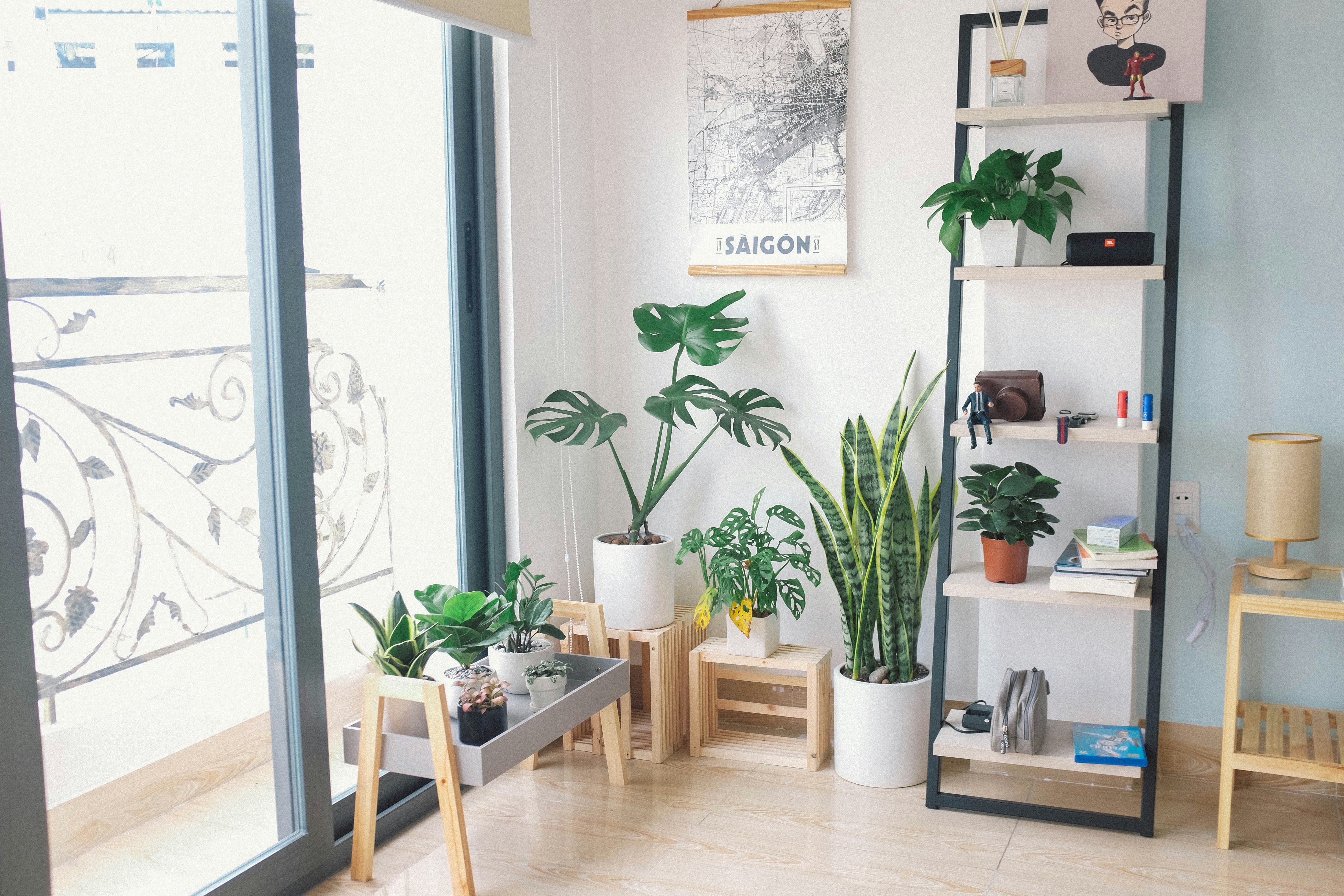
Why Indoor Plants Are Essential for Small Spaces
Incorporating indoor plants into small living environments offers numerous benefits that enhance both the aesthetic appeal and overall well-being of residents. One of the most significant advantages of having greenery in compact spaces is the improvement of air quality. Studies have shown that houseplants can filter harmful toxins from indoor air, such as formaldehyde and benzene, making the space feel healthier and more breathable. According to research conducted by NASA, certain plants, like the spider plant and peace lily, can significantly reduce indoor pollutants, creating a more inviting atmosphere.
Additionally, indoor plants are known to elevate mood and promote emotional well-being. The presence of greenery has been linked to stress reduction, heightened creativity, and improved concentration. A study published in the Journal of Environment and Behavior found that participants in environments enriched with plants reported a 15% increase in well-being and cognitive functions. For individuals living in smaller spaces, where stress levels can sometimes be exacerbated, having indoor plants can serve as a natural remedy to enhance mental health.
The aesthetic value that indoor plants provide cannot be understated, especially in compact living areas. They add texture, color, and life, making small spaces feel more inviting and vibrant. Furthermore, strategically placed plants can create the illusion of depth and dimension, potentially making the area appear larger than it is. Vertical garden solutions, such as wall-mounted planters, can also maximize space while showcasing lush greenery. By integrating various plant types and arranging them thoughtfully, residents can transform a minimalist space into a thriving indoor oasis.
Incorporating indoor plants into tiny living spaces not only contributes to improved air quality but also fosters a sense of tranquility and enhances aesthetics. The myriad of benefits they provide makes them an essential element in compact living environments.
Best Indoor Plants for Limited Space
When it comes to decorating small living areas, selecting the right indoor plants is crucial for enhancing both aesthetics and air quality. Here are some excellent choices that thrive in compact spaces:
Succulents are one of the most popular options for limited space due to their small footprint and minimal care requirements. These hardy plants can tolerate low light and infrequent watering, which makes them ideal for busy individuals. Varieties such as Echeveria or Haworthia come in various shapes and sizes, adding unique character to any corner of your home.
Snake plants, also known as Sansevieria, are another excellent choice for small spaces. This plant has long, upright leaves that take up minimal floor area while still providing a striking visual presence. Snake plants thrive in low to bright indirect light and require very little watering, making them perfect for beginners.
Pothos, or Epipremnum aureum, is a versatile trailing plant that adapts well to various conditions. With its long vines and heart-shaped leaves, pothos can be hung from shelves or allowed to cascade from tabletop pots, efficiently utilizing vertical space. This plant is known to tolerate low light and can adapt to different humidity levels, making it a resilient addition to any small living area.
Incorporating these indoor plants into your limited space can invigorate your surroundings, enhance air quality, and contribute positively to your overall well-being. Their unique characteristics and adaptability to compact living make them ideal selections for urban dwellers and those with minimalist lifestyles.
Innovative Display Solutions for Indoor Plants
When it comes to incorporating indoor plants into compact living spaces, creativity is key. Utilizing vertical gardening techniques can be particularly effective, as they maximize space by drawing the eye upwards. This can be achieved by installing vertical planters on walls that allow for a variety of plants to be displayed, creating an impressive green wall that not only enhances aesthetics but also improves air quality.
Hanging planters are another excellent solution for those with limited floor space. These can be suspended from ceilings, preferably in areas that receive adequate light. By carefully selecting the types of plants to hang, such as trailing varieties like pothos or string of pearls, one can create a visually appealing display that adds depth to the room. Additionally, these hanging displays can serve multiple purposes, as they can also act as natural room dividers.
Another practical approach is using shelves or bookcases to showcase your indoor plants. This allows for a blend of functionality and aesthetics, as plants can be nestled between books or decorative items, providing a layered look. Shelves can be placed in areas such as entryways or living rooms where they can attract attention. Furthermore, window sills present an ideal opportunity to house plants that thrive in sunlight, such as succulents or herbs, offering both beauty and utility.
For those with a flair for design, wall-mounted pots can create an intriguing art piece while also catering to plant needs. Utilizing furniture like plant stands can also elevate plants to eye level, ensuring they are appreciated while saving valuable ground space. By thoughtfully assessing both aesthetics and functionality in plant placement, one can cultivate a green oasis even within the constraints of small living quarters.
Care Tips for Indoor Plants in Tiny Spaces
Maintaining indoor plants in tiny spaces requires a careful approach to ensure they thrive despite the constraints. Proper watering techniques are essential; overwatering is one of the leading causes of plant failure in confined environments. Each plant species has unique watering needs, so it’s crucial to assess soil moisture regularly. Utilizing well-draining pots can help mitigate the risks of water accumulating and causing root rot.
Light requirements also play a significant role in the health of indoor plants, particularly in limited light conditions typical of smaller spaces. Most houseplants prefer bright, indirect light, while some may thrive in low-light areas. It’s advisable to position plants near windows or consider using grow lights if natural light is insufficient. Rotating plants periodically can help ensure they receive equal light exposure on all sides, promoting balanced growth.
Pest management requires vigilance, especially in compact living situations where ventilation might be limited. Monitor indoor plants for common pests, such as spider mites and aphids. If detected, treat them promptly with insecticidal soap or neem oil, which are safe options for indoor gardening. Seasonal care should not be overlooked, as changes in temperature and humidity can affect plant health. Adjust your care routine accordingly, providing additional humidity during dry winter months, for example.
Common issues such as yellowing leaves or wilting may arise in small spaces. Address these problems by investigating environmental factors, including light levels and watering practices. Making minor adjustments can lead to enhanced plant health and resilience. By implementing these care tips, you can create a thriving indoor garden that complements your compact living situation.