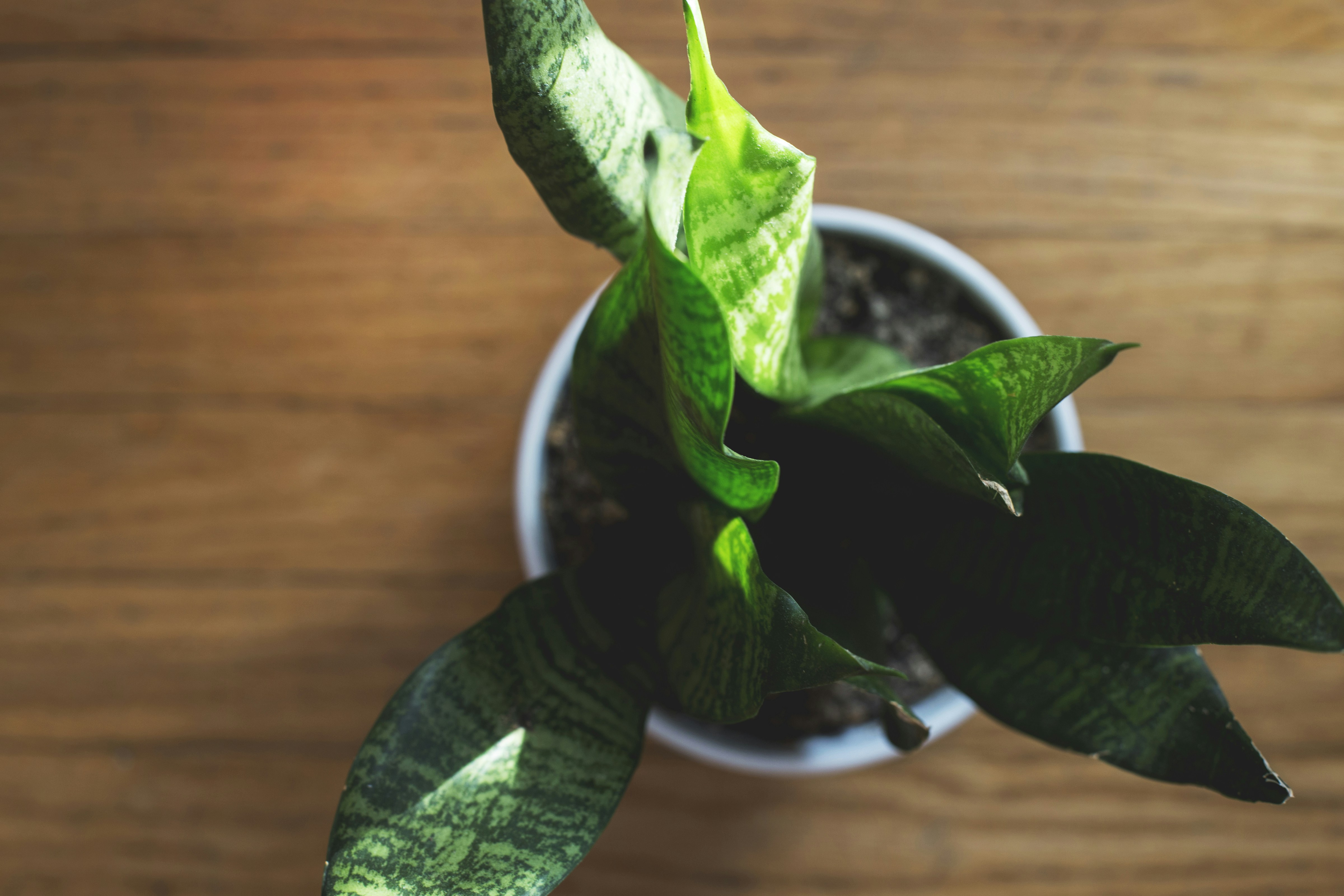
Introduction to Snake Plants
Snake plants, scientifically known as Sansevieria, are an increasingly popular choice among houseplant enthusiasts due to their striking appearance and exceptional resilience. Commonly referred to as mother-in-law’s tongue, these plants are renowned for their long, upright leaves that can display various shades of green, often with subtle yellow or white variegation. Native to the arid regions of Africa, particularly in Nigeria and the Democratic Republic of the Congo, snake plants have adapted well to a wide range of environmental conditions, making them a perfect fit for indoor settings.
The appeal of snake plants extends beyond their aesthetic qualities. One of the primary reasons they are favored is their low maintenance requirements. Unlike many other houseplants, snake plants thrive on neglect, requiring minimal watering and a wide range of light conditions. They can tolerate low light environments, making them an ideal choice for those who may not have access to natural sunlight or for rooms with limited lighting. Additionally, snake plants are extremely efficient at surviving periods of drought, as they store water in their leaves.
Another significant benefit of snake plants is their air-purifying capabilities. Research by NASA has shown that snake plants can effectively remove toxins such as formaldehyde, xylene, and toluene from the air, contributing to a healthier indoor environment. This combination of decorative appeal, ease of care, and functional advantages has solidified the snake plant’s reputation as a favorite among both novice and experienced plant caretakers alike.
Choosing the Right Pot and Soil
When it comes to cultivating a healthy snake plant, the selection of the appropriate pot and soil is paramount. A snake plant thrives best when planted in containers that promote good drainage. This is essential because these plants are susceptible to root rot if left in soggy conditions. Therefore, pots with drainage holes are highly recommended. These openings allow excess water to escape, ensuring that the roots of the snake plant do not sit in stagnant water.
The choice of pot size can also significantly impact the growth of your snake plant. It is advisable to select a pot that is slightly larger than the root ball of the plant, as this will provide ample space for growth without overwhelming the roots. Typically, pots that are 2-3 inches wider in diameter than the previous pot work well. Additionally, it is better to repot your snake plant every few years, which can provide fresh soil and an opportunity for expansion.
Moreover, the type of pot material can influence the moisture retention of the soil. Terracotta pots are favored by many plant enthusiasts due to their porous nature, which allows for better airflow and moisture evaporation, making them ideal for snake plants. Alternatively, ceramic or plastic pots can be used; however, it is crucial to ensure these containers have proper drainage setups.
As for the potting mix, a well-draining soil is essential. A mixture of regular potting soil combined with perlite, sand, or pumice can create an optimal environment that allows for water filtration while retaining some moisture. This blend not only caters to the preference of a snake plant for drier conditions but also helps in root development. Selecting the right pot and soil can make a significant difference in maintaining the health and vitality of your snake plant.
Ideal Lighting Conditions
Snake plants (Sansevieria), revered for their resilience and adaptability, exhibit remarkable versatility in their lighting preferences. They can thrive in a broad spectrum of light conditions, ranging from low-light environments to bright, indirect sunlight. This characteristic makes them an excellent choice for various settings, including homes and offices.
In low-light situations, snake plants can effectively photosynthesize, albeit slowly, allowing them to survive in corners or rooms with limited natural light. However, while they can adapt to these conditions, their growth rate may significantly decrease, and their foliage may become less vibrant. Conversely, when placed in areas with bright, indirect sunlight, snake plants can flourish, displaying robust growth and vibrant coloration. It is essential to avoid placing them in direct sunlight for prolonged periods, as this may scorch their leaves.
For optimal placement within your living space, consider positioning your snake plant on a shelf, desk, or plant stand near a north or east-facing window. This setting will provide ample light without exposing the plant to harsh rays. Alternatively, if natural light access is limited, you can utilize artificial grow lights, which can cater to their lighting requirements effectively.
Ultimately, the key to successful snake plant care lies in understanding their unique lighting needs. By providing them with appropriate light conditions, you can enhance their growth and contribute to their overall health, making them not only an aesthetically pleasing addition to your space but also a beneficial air purifier.
Watering Basics
The Snake Plant (Sansevieria), known for its resilience and unique aesthetic, has specific watering requirements that are essential for its health. Firstly, it is crucial to allow the soil to dry out completely between waterings. Overly moist soil can lead to root rot, a common issue caused by excess water retention. When caring for a Snake Plant, checking the moisture level in the potting mix before adding water is a prudent practice. This can be achieved by sticking a finger into the soil up to the first knuckle; if it feels dry, it is time to water.
Underwatering, although less common, can also negatively impact the plant’s vigor. The symptoms of underwatering include wilting leaves and a general dull appearance. Therefore, striking a balance is key in maintaining proper hydration. On average, during the growing season, typically spring and summer, watering every 2 to 3 weeks should suffice. However, during the dormant phase in winter, the frequency can be reduced to monthly or even less, as the plant requires minimal moisture.
It is advisable to use a well-draining potting mix for Snake Plants. This aids in preventing water logging, ensuring that drainage is optimal. For large plants, a good rule of thumb is to adjust the watering schedule based on the size of the pot and the environment; larger pots may retain moisture longer, while smaller ones may dry out quickly. In conclusion, offering good watering practices which include allowing the soil to dry out between waterings will foster a thriving Snake Plant, while consistently monitoring the plant’s response to watering is fundamental in achieving a healthy indoor plant experience.
Fertilizing Your Snake Plant
Fertilizing your snake plant is an essential aspect of its care, as it contributes significantly to the plant’s overall health and vitality. Snake plants, also known as Sansevieria or mother-in-law’s tongue, thrive in various environments, but they do benefit from additional nutrients to support their growth. The frequency and type of fertilizer used can notably influence plant development, particularly during its active growing seasons.
Typically, snake plants require fertilization during the spring and summer months, when their growth is most vigorous. A general guideline is to fertilize them every 4 to 6 weeks during this period. It is important to reduce or even stop fertilizing in the fall and winter, as the plant enters a period of dormancy. Over-fertilizing during these dormant months can lead to nutrient buildup, which may harm the plant.
When selecting a fertilizer, a balanced, water-soluble fertilizer with a ratio such as 10-10-10 or a half-strength solution of these nutrients is recommended. These nutrients comprise the three primary macronutrients: nitrogen, phosphorus, and potassium. Alternatively, you can use a specialized houseplant fertilizer; just ensure that it is appropriate for succulent-type plants like the snake plant. Diluting the fertilizer to half-strength can help prevent any potential fertilizer burn, especially for beginners. It is crucial to apply the fertilizer to damp soil to ensure proper absorption, preventing root damage.
In conclusion, understanding how and when to fertilize your snake plant can significantly enhance its growth and adaptability. In the end, a consistent fertilization regimen during the growing seasons, coupled with the right type of fertilizer, will foster a thriving snake plant in your home.
Temperature and Humidity Preferences
Snake plants, scientifically known as Sansevieria, exhibit remarkable adaptability to varying temperature conditions. Ideally, they thrive in environments where the temperature ranges from 60°F to 80°F (15°C to 27°C). This flexibility allows snake plants to survive in both warmer and cooler climates than many other houseplants. However, it is important to note that exposure to temperatures below 50°F (10°C) should be avoided, as prolonged cold stress can lead to various health issues for the plant.
When it comes to humidity levels, snake plants are quite tolerant. They do not require high humidity, making them suitable for most indoor living conditions. The ideal humidity range for snake plants is between 30% and 50%. Environments with lower humidity levels are generally tolerated, but it is essential to monitor the plant for signs of distress, such as browning leaf tips. Consistent low humidity may hinder the growth and vitality of these plants.
To maintain optimal humidity for your snake plant, consider the following tips: If your home has extremely dry air, particularly during the winter months, it may be beneficial to increase humidity levels. This can easily be accomplished by placing a humidifier in the same room as the plant, or by placing a tray filled with water and pebbles underneath the pot, allowing evaporating moisture to enhance humidity. Additionally, misting the leaves occasionally can be a simple method to provide the plant with a boost of moisture without overwhelming it.
Pruning and Propagating Snake Plants
Pruning snake plants is essential for fostering healthy growth and maintaining their aesthetic appeal. Generally, pruning should take place during the growing season, which spans from spring to early summer. This is when the plant is most active and capable of recovering quickly from the pruning process. Begin by removing any yellowed or damaged leaves at the base using sharp, clean scissors or pruning shears to ensure a clean cut and minimize the risk of disease. Additionally, if the plant appears crowded, it may be beneficial to trim back some of the healthy foliage to improve airflow, enabling the remaining leaves to thrive.
Propagation is an exciting and easy process for snake plant enthusiasts, and there are several methods to consider. One popular technique involves leaf cuttings. To propagate through this method, select a healthy leaf and cut it into sections of about 4 to 6 inches in length. Allow the cut ends to dry for a day or two to form a callous, which helps prevent rot. Next, place the cuttings in a well-draining potting mix and water them lightly. Over time, roots should develop, which can take several weeks.
An alternative propagation method is division. This method is ideal for established plants that have outgrown their pots. To start, carefully remove the plant from its pot and gently separate the root ball into two or more sections using your hands or a clean knife. Ensure each division has a healthy portion of roots and at least one leaf. Replant each division into its own pot with fresh, well-draining soil and water lightly. This method not only promotes healthy growth for the divided sections but also revitalizes the parent plant.
Common Issues and Solutions
Snake plants, known for their resilience and low maintenance requirements, can nonetheless encounter a few common issues. Recognizing and addressing these problems early on is essential to ensure the health of your plant.
One of the most frequently observed issues involves pests, particularly spider mites and mealybugs. Spider mites are small arachnids that can create fine webs on the foliage. To combat spider mites, increasing humidity around the plant can be beneficial, as these pests thrive in dry conditions. Additionally, wiping the leaves with a damp cloth or using insecticidal soap can effectively eliminate these infestations.
Mealybugs, which often appear as small white cottony clusters, can negatively impact your snake plant’s health. To eradicate these pests, applying a mixture of rubbing alcohol and water directly onto the affected areas can help. Repeat this process every week until the infestation is controlled. Furthermore, regularly inspecting your plant, especially the undersides of leaves, can prevent these pests from becoming a more significant problem.
Aside from pests, snake plants are also susceptible to root rot, primarily caused by overwatering. Distinguishing root rot involves checking the plant’s roots, which will appear brown and mushy if affected. To prevent this issue, it is crucial to ensure proper drainage in the pot and to allow the soil to dry out between waterings. If root rot occurs, it is advisable to remove the plant from its pot, trim away the damaged roots, and repot it into fresh, dry soil.
By monitoring your snake plant for these common issues and taking proactive measures, you can maintain its vibrancy and health for years to come.
Conclusion and Care Recap
In summary, snake plants, also known as Sansevieria or Mother-in-Law’s Tongue, are an excellent choice for both beginner and experienced plant enthusiasts. This hardy plant offers a unique aesthetic appeal with its striking, upright foliage that can elevate any space. Throughout this guide, we’ve explored various aspects of snake plant care, emphasizing its low-maintenance nature, making it ideal for those new to gardening.
Key care considerations for snake plants include their preference for indirect light, though they can tolerate a range of lighting conditions. Additionally, their water requirements are minimal, allowing them to thrive even with infrequent watering. It is crucial to allow the soil to dry out completely between waterings, as overwatering can lead to root rot, a common issue with this species. In terms of temperature, snake plants prefer warmer environments but are also resilient to fluctuations, which further enhances their appeal as a houseplant.
Moreover, snake plants are not only aesthetically pleasing but also serve a functional purpose by improving indoor air quality. They are capable of filtering toxins and releasing oxygen, making them a beneficial addition to any room. With their easy propagation and adaptability, beginners will find that adding snake plants to their collection is both a rewarding and low-effort endeavor.
Considering these various factors, we encourage beginners to embrace the beauty and practicality of snake plants. With straightforward care requirements and the ability to thrive in diverse environments, the snake plant stands out as a perfect choice for anyone looking to enhance their indoor gardening experience. By adopting a few simple care practices, you can enjoy the benefits of this remarkable plant for years to come.