Snake Plant Care: The Ultimate Guide for Beginners
Introduction to Snake Plants
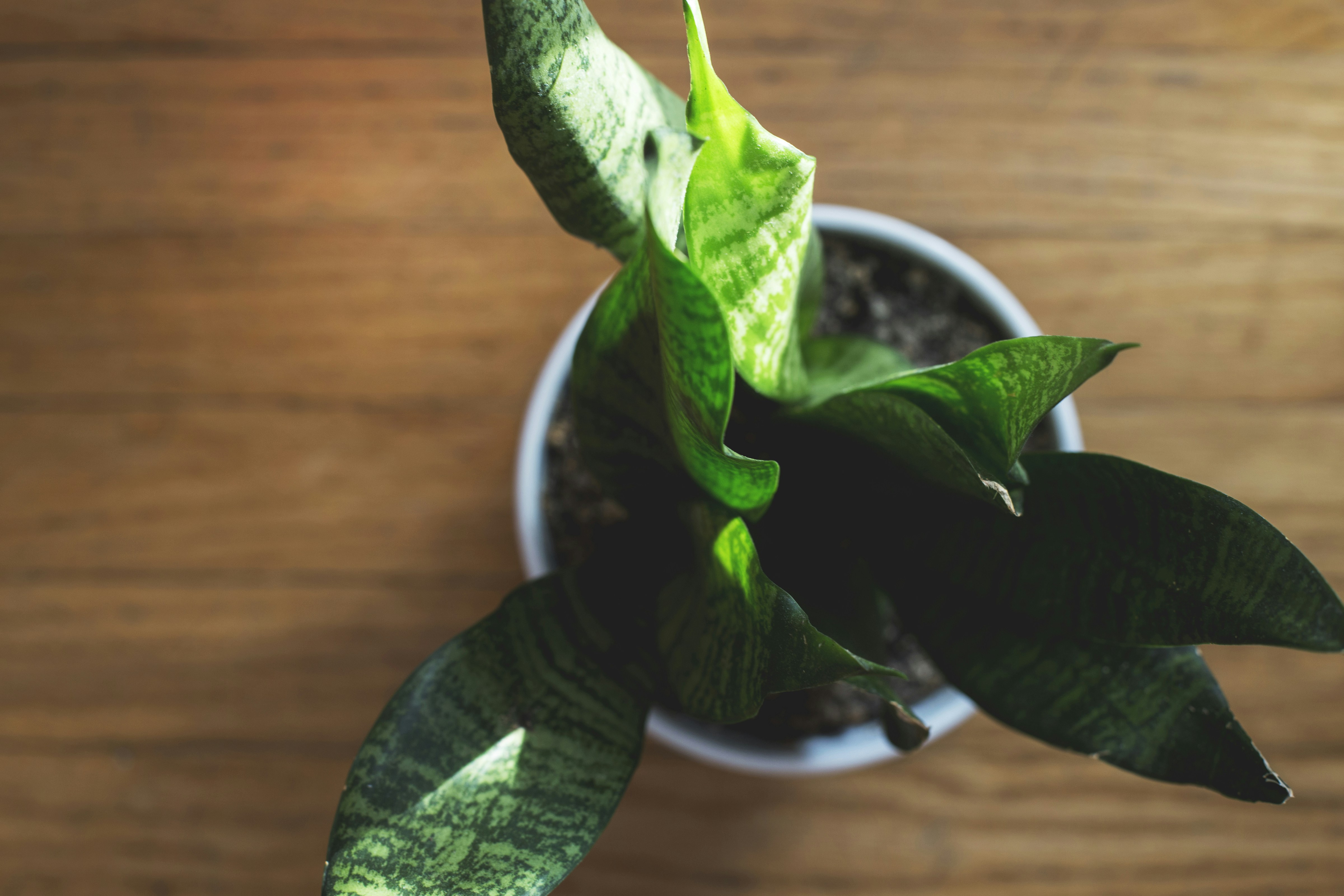
Snake plants, scientifically known as Sansevieria, have gained immense popularity as houseplants due to their striking appearance and impressive resilience. Native to tropical regions of West Africa, these hardy plants are characterized by their tall, upright leaves that exhibit a unique variegation of green and yellow hues. Their architectural profile makes them an attractive option for home and office decor.
One of the most significant attributes of snake plants is their ability to purify indoor air. Research indicates that they can filter out harmful toxins such as formaldehyde, benzene, and xylene, enhancing indoor air quality. This makes snake plants not only aesthetically pleasing but also beneficial for health, particularly in environments where air quality may be a concern.
Another reason for the widespread appeal of Sansevieria is its remarkable adaptability to various living conditions. Snake plants thrive in low light and can tolerate neglect, making them suitable for beginners or those with busy lifestyles. Overwatering is often cited as the main pitfall for new plant owners, yet snake plants demonstrate resilience; they can withstand periods of drought thanks to their thick, fleshy leaves that store moisture. This adaptability has established them as a go-to choice for both novice and experienced plant enthusiasts.
In conclusion, the snake plant combines striking aesthetics with practical benefits, earning its reputation as a popular houseplant. Its ease of care and contribution to healthier indoor environments make it an excellent choice for anyone looking to introduce greenery into their space.
Choosing the Right Snake Plant
When considering snake plants, it is important to understand the various varieties available, each with its distinct characteristics. The most commonly known variety is the Mother-in-Law’s Tongue (Sansevieria trifasciata), which features long, upright leaves adorned with striking green and yellow variegation. This plant’s resilience and adaptability make it a popular choice for both beginner and expert gardeners. Another noteworthy variety is the Bird’s Nest Snake Plant (Sansevieria trifasciata ‘Hahnii’), known for its compact rosette shape and shorter leaves, making it ideal for small spaces or tabletops.
When selecting a snake plant, size plays a crucial role. Larger varieties, such as the Mother-in-Law’s Tongue, can reach heights of 3-4 feet, while smaller varieties like the Bird’s Nest typically stay around 6-12 inches tall. Consider your available space and the visual impact you want the plant to have in your home or office environment.
Color and leaf shape are equally significant factors in your decision-making process. Some snake plants exhibit striking color combinations, such as the brightly colored ‘Laurentii’ with its yellow edges, while others have deep green leaves with more subtle patterns. Picking a snake plant that complements your existing decor can enhance the aesthetic appeal of your space.
Moreover, it is essential to consider the health of the plant when purchasing. Whether you are visiting a local nursery or browsing online, look for signs of vitality, such as firm leaves and an absence of discoloration or spots. A well-cared-for snake plant will thrive with proper attention, so investing time in choosing the right one can lead to a successful gardening experience.
Ideal Growing Conditions
Snake plants, known scientifically as Sansevieria, are renowned for their resilience and adaptability, making them an excellent choice for beginner plant enthusiasts. Understanding their ideal growing conditions is essential to ensure their long-term health and vitality.
In terms of light requirements, snake plants are exceptionally versatile. They thrive in bright, indirect light but can also endure low-light conditions. This adaptability means they can be placed in various locations within the home or office, from well-lit corners to dim spots where sunlight scarcely reaches. While they may grow more slowly in low light, they can survive periods of neglect, making them forgiving for those who may forget to provide optimal lighting.
Temperature is another critical factor for the health of snake plants. Ideally, they prefer a temperature range of 60°F to 80°F (15°C to 27°C). However, they are quite hardy and can withstand fluctuations outside of this range. It is important to avoid exposing them to temperatures below 50°F (10°C), as this can lead to stress and potential damage. Furthermore, snake plants can tolerate dry indoor air but will do best in moderate humidity levels. Regular home humidity typically suffices since they are accustomed to arid environments.
The ability of snake plants to thrive even under neglect is a major draw for beginners. Their capacity for low light, combined with minimal watering needs, allows even the most inexperienced gardeners to have success. By providing them with the right light, appropriate temperature, and careful attention to watering practices, one can effectively cultivate a healthy snake plant that flourishes with minimal effort.
Watering Snake Plants
Watering is a crucial aspect of snake plant care, as these resilient plants have specific needs that differ from those of other houseplants. Generally, snake plants thrive in dry conditions, making them relatively low-maintenance in terms of watering. It is advisable to water your snake plant approximately every 2 to 6 weeks, depending on the environmental conditions and the season. During the growing season, which typically spans from spring to summer, you may find yourself watering more frequently, while in the dormant period of fall and winter, reducing the frequency becomes necessary.
To determine when your snake plant needs water, it is essential to inspect the soil. The most effective method is to stick your finger about an inch deep into the potting soil. If the soil feels dry at that depth, it is time to water. Conversely, if it remains moist or damp, it is best to hold off on watering to prevent excessive moisture build-up. It is crucial to understand that snake plants are susceptible to root rot due to overwatering, which can be fatal for the plant. Signs of overwatering include yellowing leaves, mushy stems, and an unpleasant odor emanating from the soil.
To maintain proper moisture levels, pot your snake plant in well-draining soil. A mix designed for cacti or succulents is ideal, as these blends allow for proper aeration and drainage. Additionally, ensure that the pot has drainage holes to prevent water from pooling at the bottom. During the winter months, reduce the frequency of watering, as snake plants enter a period of dormancy. Monitoring the soil and adjusting your watering practices according to the season and environmental factors will help ensure a healthy, thriving snake plant.
Soil and Potting Needs
When it comes to effective care for snake plants (Sansevieria), understanding their soil and potting needs is paramount. These plants thrive in well-draining soil that allows excess moisture to escape quickly, as snake plants are susceptible to root rot. A suitable potting mix can be achieved by combining standard potting soil with materials such as perlite, sand, or pumice. This combination not only improves drainage but also enhances aeration for the roots, which is essential for overall plant health.
The importance of drainage cannot be overstated. Snake plants prefer to stay on the drier side, and any standing water can lead to a variety of complications. When selecting soil, ensure that you opt for a mix specifically designed for cacti or succulents, as these typically prioritize rapid drainage. Adjusting the mix to suit your snake plant can involve experimenting with different proportions until finding the perfect consistency that retains some moisture without becoming waterlogged.
Additionally, choosing the right pot is crucial for effective plant care. A pot made from materials such as terracotta is ideal, as it offers excellent breathability and helps wick moisture away from the roots. When selecting pot size, keep in mind that snake plants prefer being somewhat root-bound, which means they do well in slightly smaller pots. However, ensure that the pot has drainage holes to facilitate water escape. Regularly checking pot size and swapping out for larger ones every few years, as the plant grows, will also support healthy root development and overall growth.
Fertilizing Tips for Snake Plants
Fertilizing is a critical aspect of snake plant care, which significantly influences the health and vigor of these resilient plants. While snake plants are known for their hardy nature, regular fertilization can enhance their growth and overall vitality. The right fertilizer provides essential nutrients that support leafy development and improve the plant’s ability to thrive in indoor environments.
When selecting a fertilizer for your snake plant, it is advisable to opt for a balanced, water-soluble fertilizer. A formulation with equal parts of nitrogen, phosphorus, and potassium (commonly referred to as NPK) is ideal. Alternatively, a formula that is specially designed for succulents can also be beneficial, as it typically contains lower levels of nitrogen, which prevents excessive vegetative growth. Additionally, organic options such as compost tea or fish emulsion can be effective, providing gradual nutrient release without the risk of chemical build-up.
The recommended frequency for fertilizing snake plants is approximately every 4-6 weeks during the growing season, which generally spans from spring to summer. During the dormant months, particularly in winter, snake plants do not require fertilization. Be careful not to over-fertilize; a little goes a long way. Signs that your snake plant is receiving too much fertilizer include yellowing leaves or leaves that appear burnt at the tips. Ensuring that you dilute the fertilizer to half the recommended strength can help mitigate these risks and support your plant’s health.
In conclusion, understanding the importance of proper fertilization can enhance your snake plant’s growth and ensure that it remains a beautiful and healthy addition to your indoor space. By selecting the right type of fertilizer and adhering to a thoughtful schedule, you can cultivate strong, resilient plants that flourish in your home.
Pruning and Propagating Snake Plants
Pruning snake plants, also known as Sansevieria, is essential for maintaining their health and encouraging robust growth. To begin the pruning process, inspect your plant for any dead or damaged leaves. These leaves often turn yellow or brown and can detract from the plant’s overall appearance. Using clean, sharp scissors or pruning shears, cut away any unhealthy foliage at the base, ensuring that you are not damaging the healthy leaves around them. Regular pruning helps promote air circulation and prevents pests and diseases.
In addition to routine maintenance, you can also propagate snake plants through various methods, primarily through leaf cuttings and division. For leaf cuttings, follow these steps: start by selecting a healthy leaf. Cut the leaf into sections, each at least 4-6 inches long. Allow the cut edges to dry for 24 to 48 hours, creating a callous, which helps prevent rot when planted. After the callous forms, plant the cuttings in well-draining soil, placing them vertically. Water minimally until you see new growth, which typically takes several weeks.
Alternatively, division is a more effective propagation method for larger, established snake plants. To divide a snake plant, carefully remove it from its pot and gently pull apart the roots, ensuring each section has at least a few healthy leaves. Re-pot each division in fresh, well-draining soil and water lightly. Both propagation techniques enable you to increase your snake plant collection while ensuring that the parent plant remains thriving.
By integrating proper pruning and propagation methods, you can ensure that your snake plants not only survive but flourish, contributing to a vibrant indoor environment. Implement these techniques to maintain their health and enhance your plant care routine.
Common Pests and Diseases
Snake plants, scientifically known as Sansevieria, are renowned for their resilience and low maintenance requirements. However, they are not immune to specific pests and diseases that can jeopardize their health and vigor. Among the most common pests are spider mites and mealybugs, while root rot is a prevalent disease that can affect their overall well-being.
Spider mites are tiny arachnids that thrive in dry environments. They feed on the plant’s sap, causing discoloration and a distinct stippling pattern on the leaves. To prevent a spider mite infestation, it is essential to maintain adequate humidity levels around the snake plant. Regularly misting the plant or placing it in a more humid environment can minimize the risk of such pests. If spider mites are detected, one effective treatment option is to spray the plant with a mixture of water and mild soap. This solution suffocates the mites without harming the plant.
Mealybugs, characterized by their cotton-like appearance, are another threat to snake plants. They often cluster in leaf axils and joints, drawing sap from the leaves and potentially leading to weakened growth. To combat mealybugs, it is advisable to wipe the affected areas with a cotton swab dipped in alcohol. Furthermore, regular inspections to detect these pests early can help in managing them effectively.
As for diseases, root rot is a significant concern for snake plants, typically caused by overwatering and poor drainage. The roots begin to decay, leading to overall plant decline. To prevent root rot, it is crucial to ensure that the potting mix is well-draining and to allow the soil to dry out between watering sessions. Infected plants may require repotting into fresh soil, and any rotted roots should be trimmed away to promote healthy regrowth. Maintaining a careful watering routine and ensuring appropriate environmental conditions are the best strategies for safeguarding snake plants from these threats.
Conclusion and Final Tips
In summary, effective care of snake plants is essential for ensuring their health and longevity. As we have discussed, a few key aspects must be prioritized, including appropriate watering, lighting conditions, and proper potting. Snake plants are renowned for their adaptability and resilience, making them an excellent choice for both novice and experienced plant enthusiasts alike.
It is important to remember that overwatering is one of the most common mistakes made by beginners. Allowing the soil to dry out completely between watering will help prevent root rot, a condition that can be detrimental to the plant’s health. Additionally, snake plants thrive in indirect sunlight, though they can tolerate low light conditions. Finding a suitable location in your home will contribute significantly to your plant’s overall well-being.
Another fundamental care tip is to provide proper drainage. Utilizing pots with drainage holes is essential in preventing excessive moisture accumulation. Furthermore, opting for a well-aerating potting mix will encourage healthy root development and support the plant’s growth.
As you embark on your journey of snake plant care, it is worth noting that these plants are not only aesthetically pleasing but also offer numerous benefits, such as air purification and increased humidity levels. Embracing the process of nurturing your snake plant can be incredibly rewarding; watching it flourish over time will provide a sense of accomplishment.
In conclusion, by following the guidelines laid out in this guide, beginner gardeners can cultivate a thriving snake plant with ease. Remember that patience and observation are crucial components of successful plant care. Enjoy the journey of growing your plant, and take pleasure in the many advantages that snake plants offer to your living space.